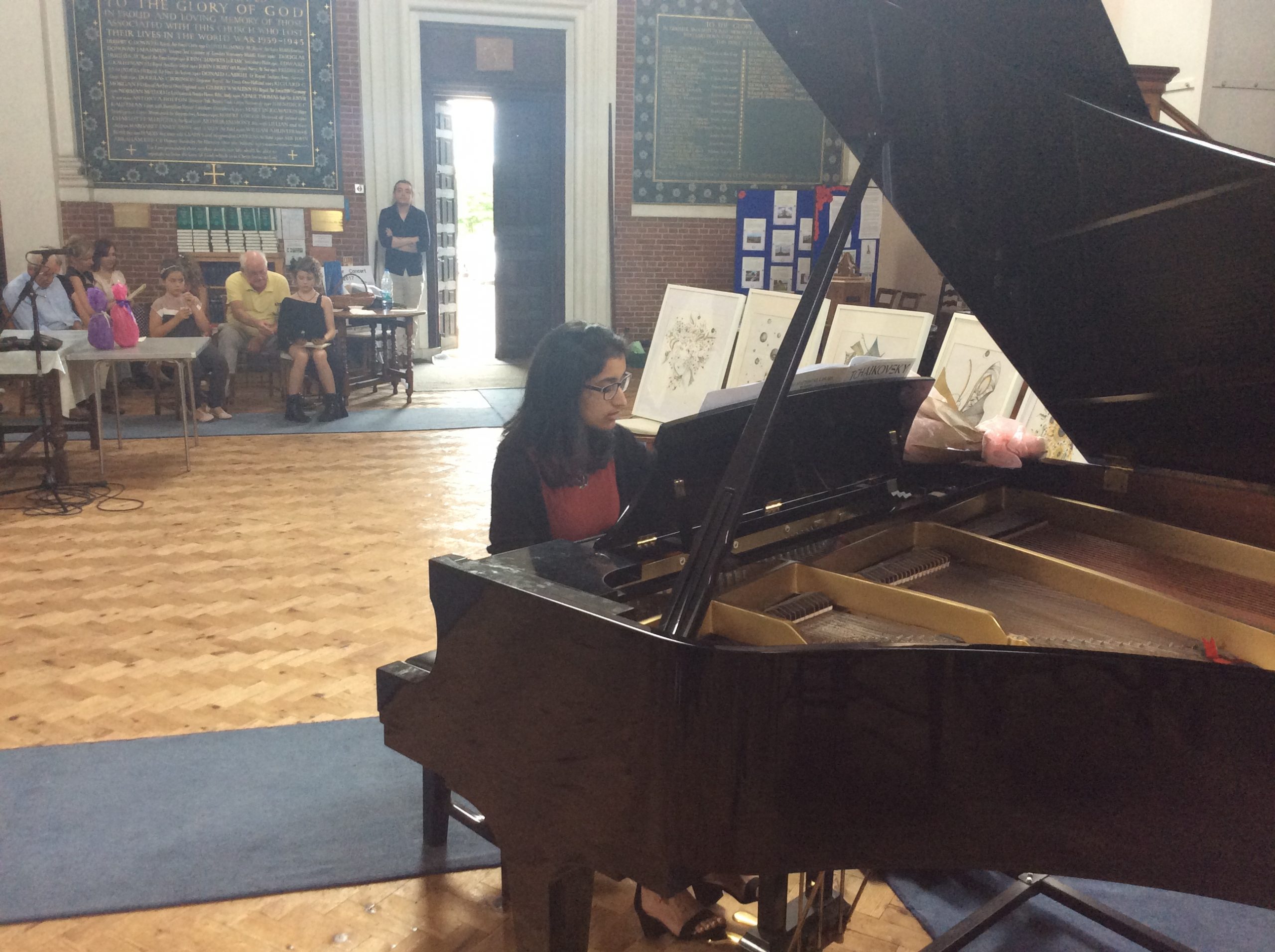
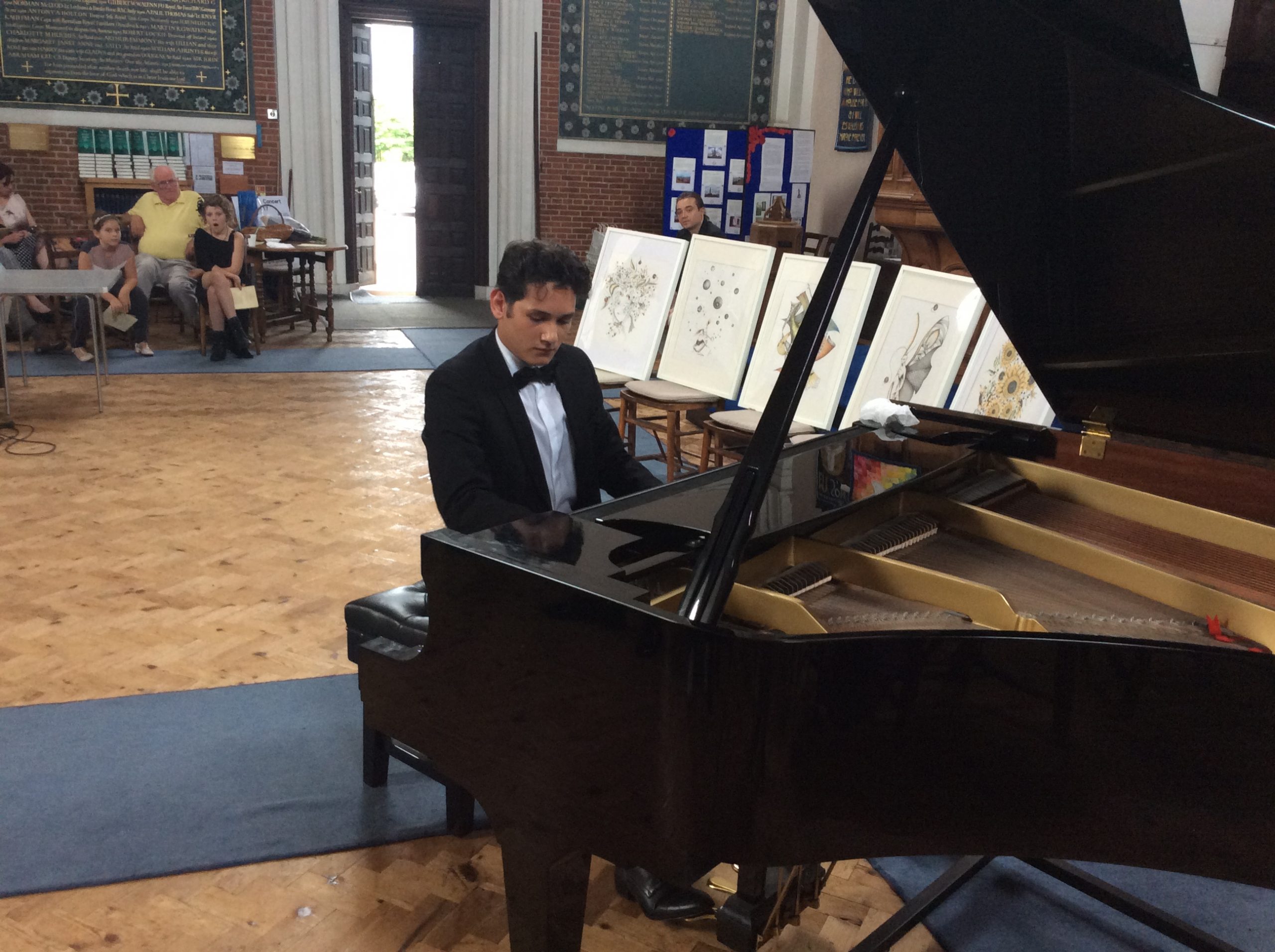
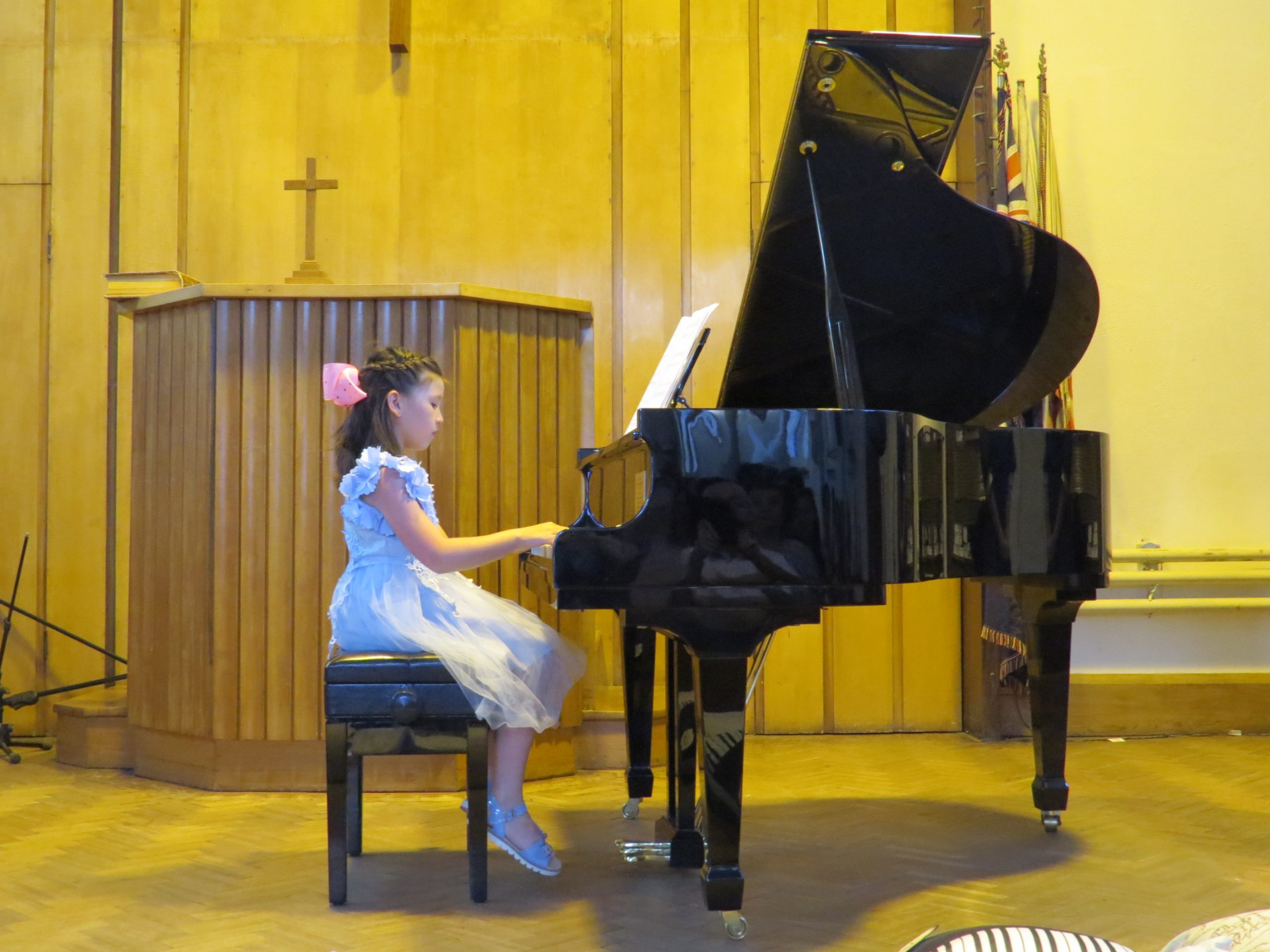
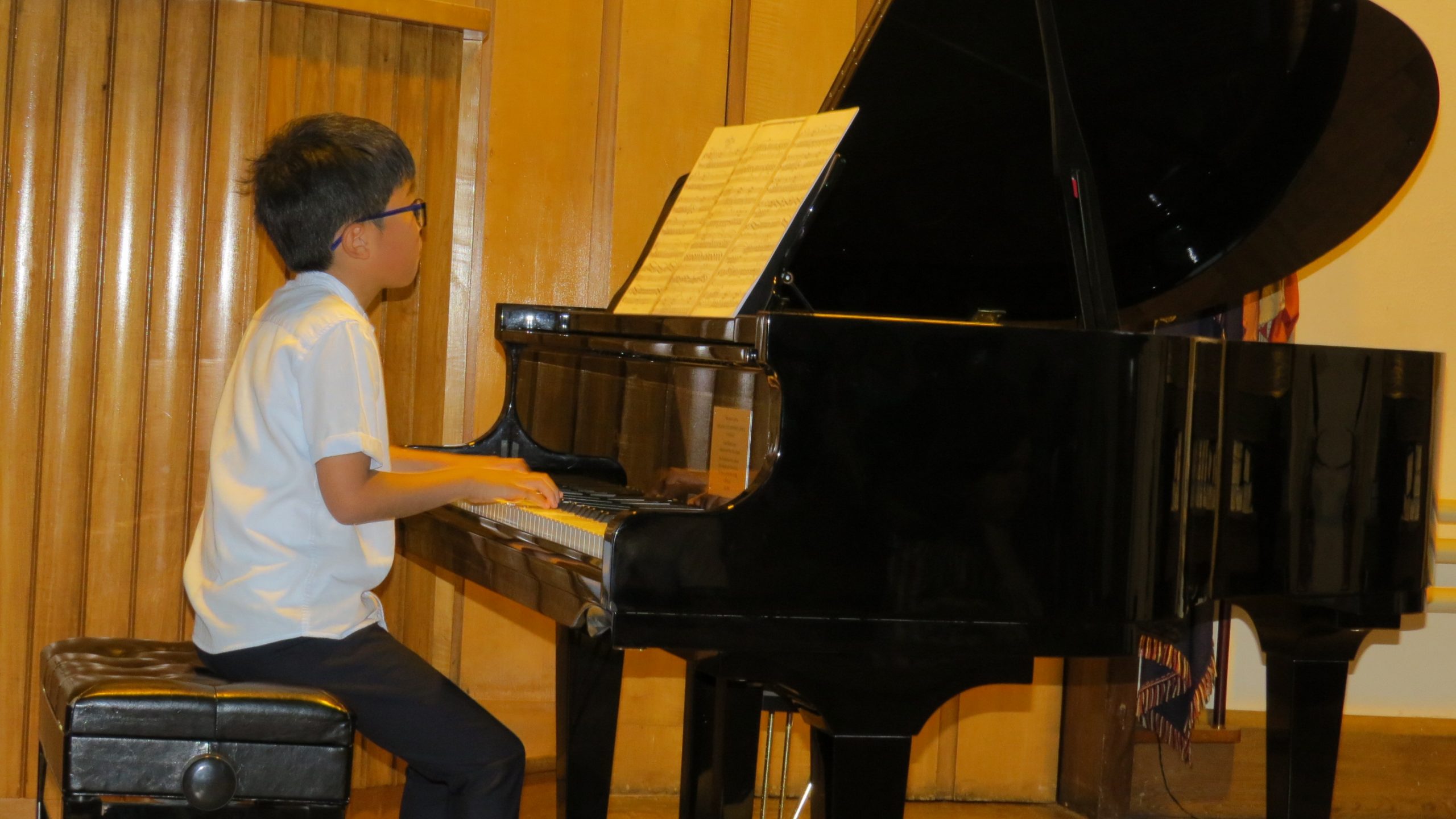
Our school offers music performances twice a year as an essential part of our educational approach, designed to deepen students’ knowledge and strengthen their overall musical development. These performances are not simply events; they are learning milestones that allow students to transform practice into real experience. By preparing for live performances, students gain a clearer understanding of musical structure, interpretation, and stage presence—skills that cannot be fully developed in the classroom alone.
Each performance cycle encourages students to set goals, manage time effectively, and practice with purpose. Working toward a public presentation helps them understand the importance of consistency, discipline, and focus. Students learn how to refine details, overcome technical challenges, and develop confidence in their abilities. This process builds a strong connection between theoretical knowledge and practical application, making learning more meaningful and memorable.
Performing twice a year also helps students grow emotionally and socially. Standing on stage teaches them how to manage nerves, stay composed under pressure, and recover gracefully from mistakes. These experiences foster resilience and self-belief, qualities that benefit students far beyond music. Sharing the stage with peers encourages teamwork, mutual respect, and a sense of belonging within the school community.
For teachers, these performances provide valuable insight into each student’s progress. They highlight strengths, reveal areas for improvement, and help guide future instruction. Parents and audiences, meanwhile, gain a deeper appreciation of the students’ hard work and musical journey, strengthening the connection between home, school, and learning.
Most importantly, regular performances help students understand music as a living, shared experience rather than a private exercise. They learn to communicate emotion, tell stories through sound, and connect with listeners. By offering music performances twice a year, our school creates consistent opportunities for growth, reflection, and celebration—ensuring that students not only learn music, but truly experience it, develop confidence, and build a lifelong relationship with their art.
CHRISTMAS CONCERT 2025 PERFORMANCE
EBONY AND IVORY FEAT R.A.F. MUSEUM

r.a.f museum concert2025
Ebony and Ivory feat R.A.F Museum Christmas concert 2025
School music concerts are important because they give students a chance to showcase what they’ve learned and grow as musicians and individuals. Performing in a concert helps students build confidence, self-esteem and stage presence, which can transfer to other parts of life like public speaking. These events also support teamwork and discipline, as musicians must practise together and listen to each other to succeed. Concerts bring families and the school community together, creating a shared sense of pride and belonging. Overall, school music concerts celebrate student achievement and highlight the value of creative arts in education.
THE IMPORTANCE OF LIVE PERFORMANCE
Performance plays a powerful role in education because it helps students learn beyond textbooks and develop real-world skills. When students take part in performances like drama, music or presentations, they build confidence, communication and self-expression, which supports learning in many subjects. Performance activities also encourage critical thinking, teamwork and creativity, making complex ideas more engaging and easier to understand. These skills transfer to academic tasks like problem solving and speaking clearly in class. Additionally, working toward a performance goal boosts motivation, focus and resilience, helping students grow personally and academically.
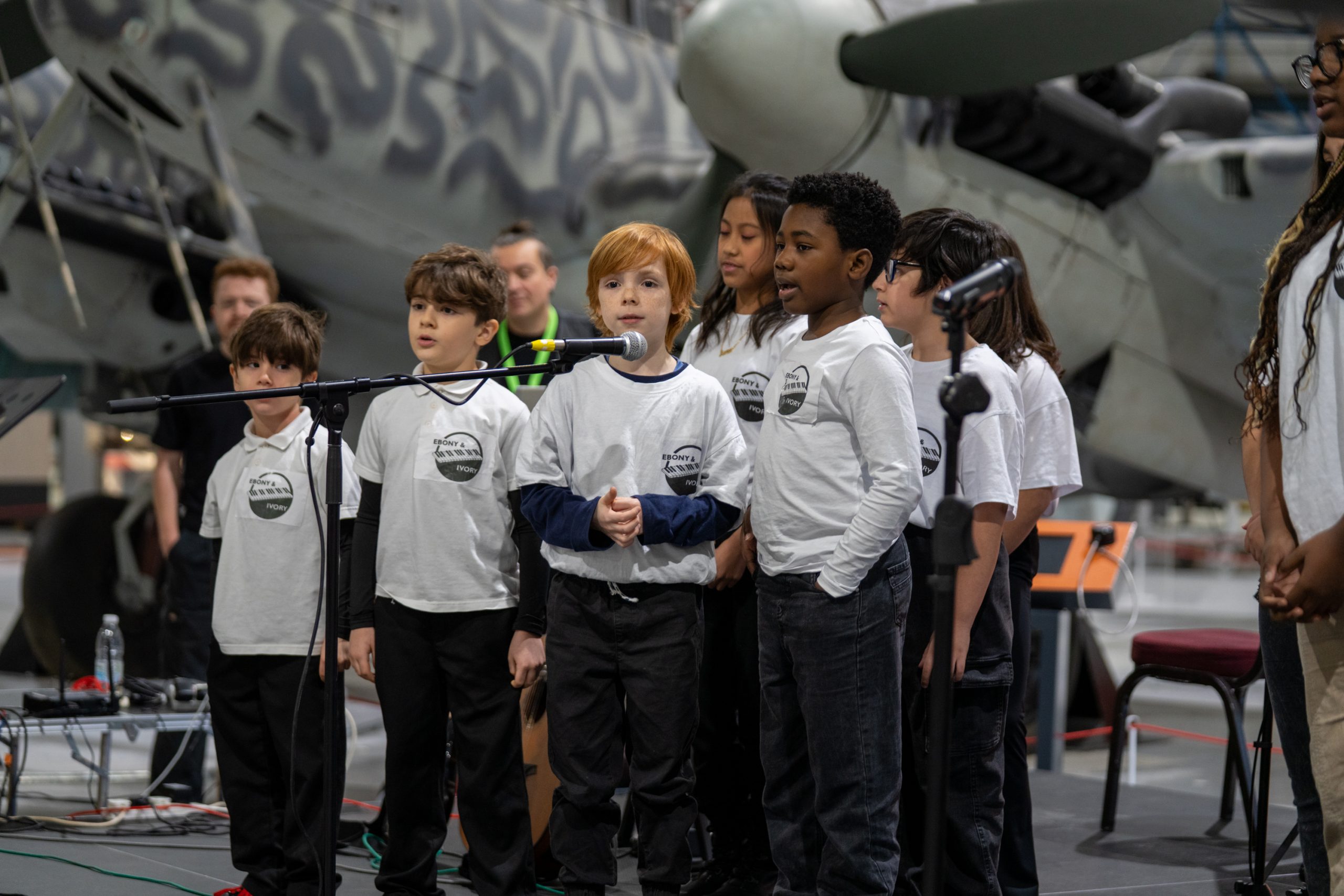
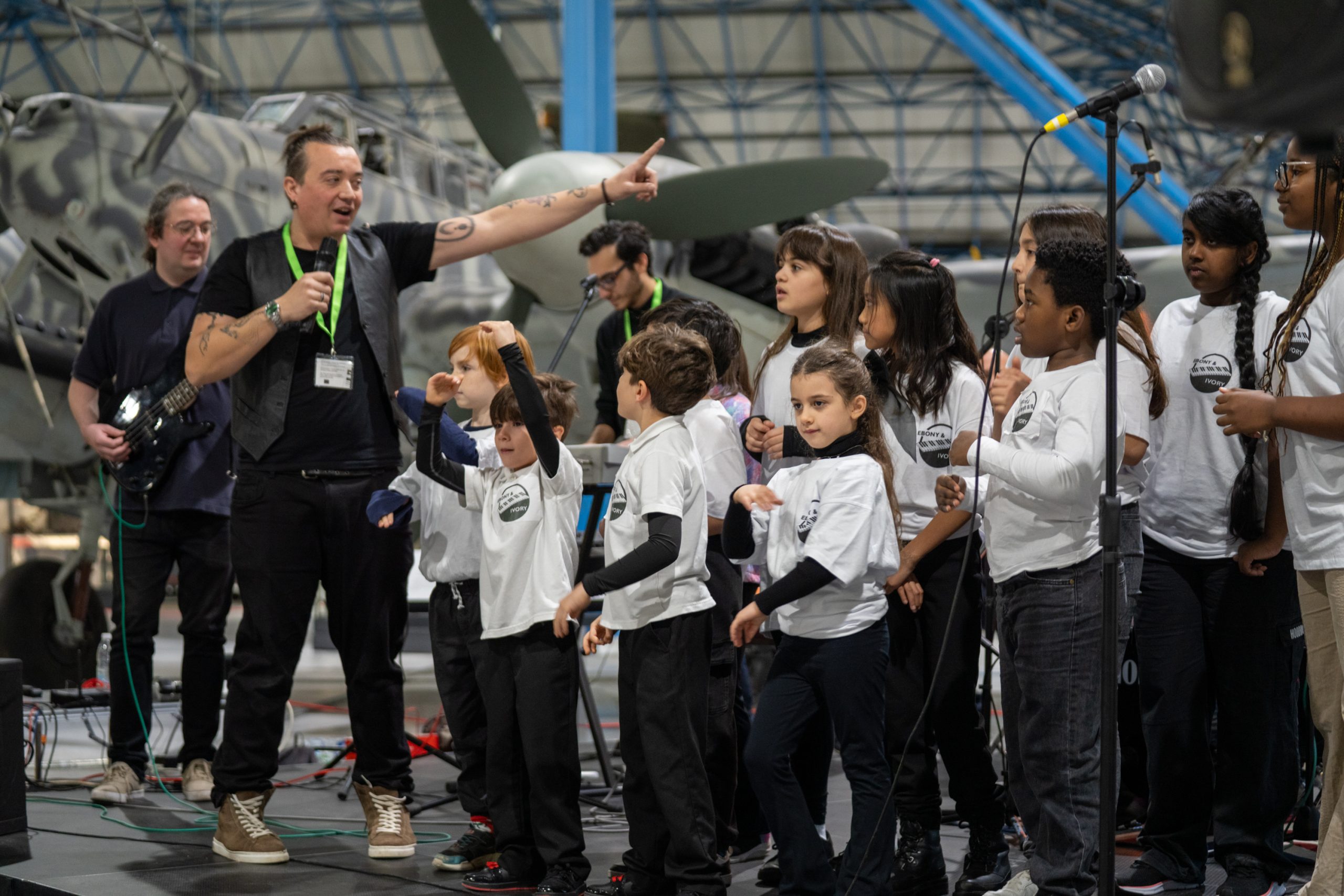
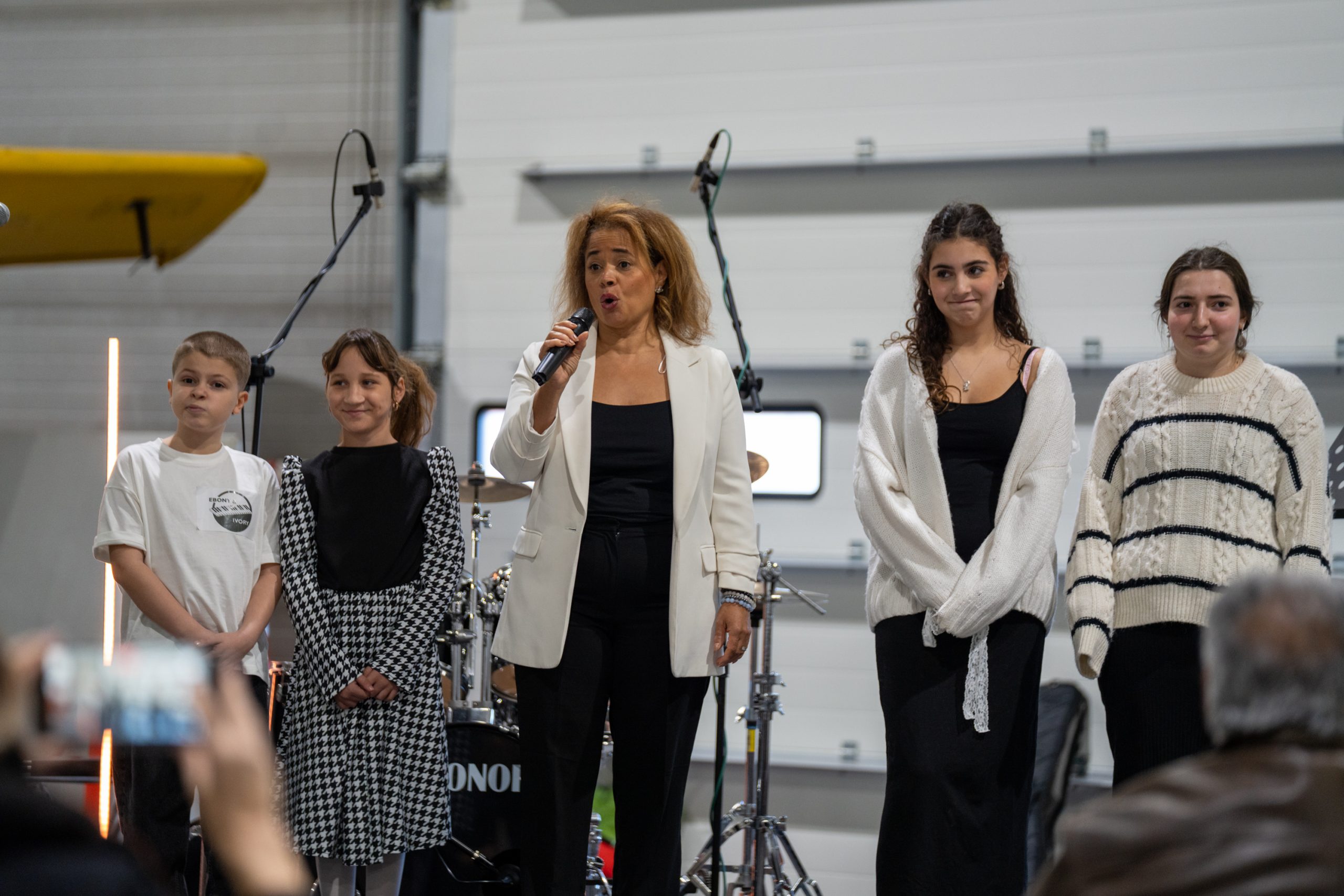
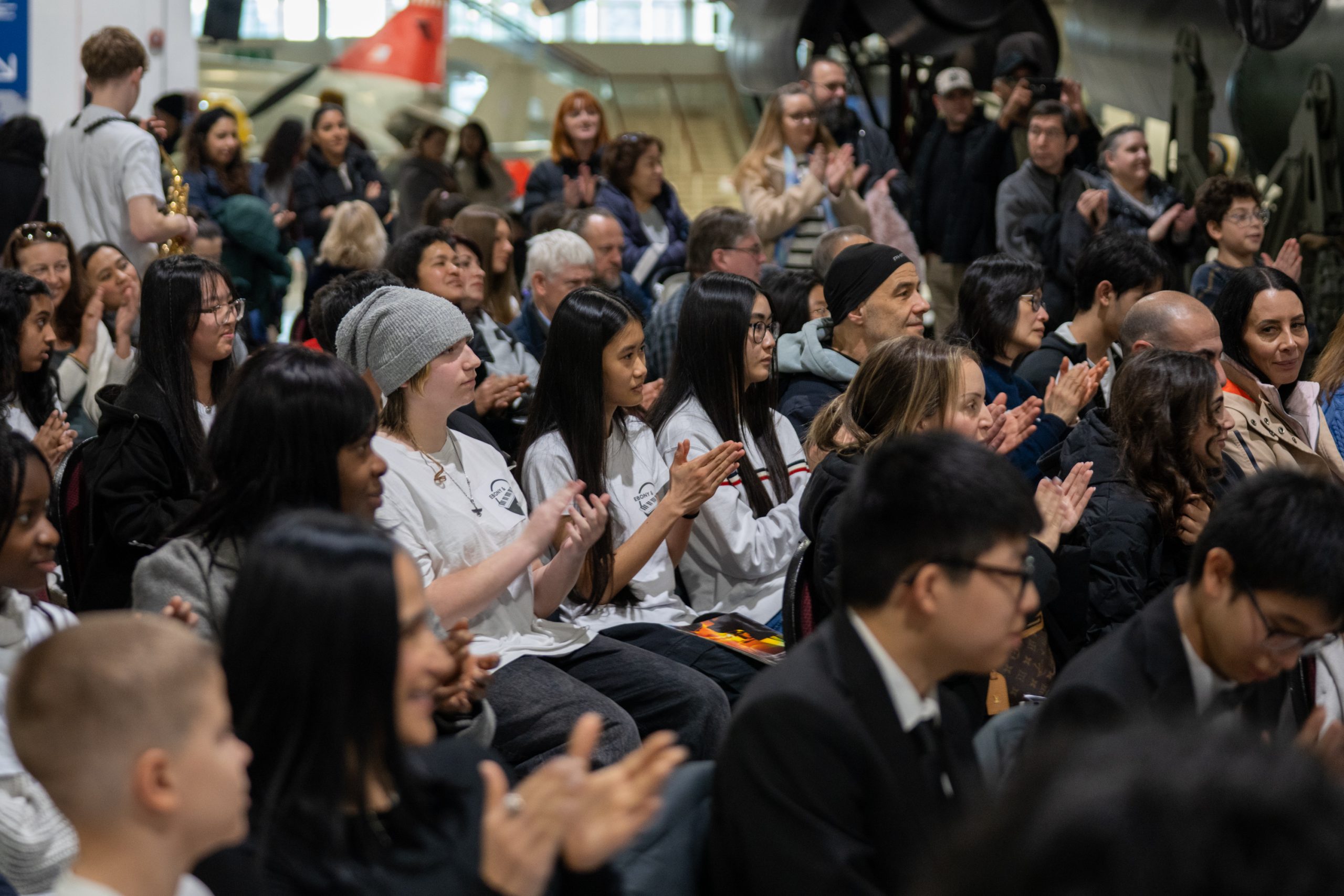
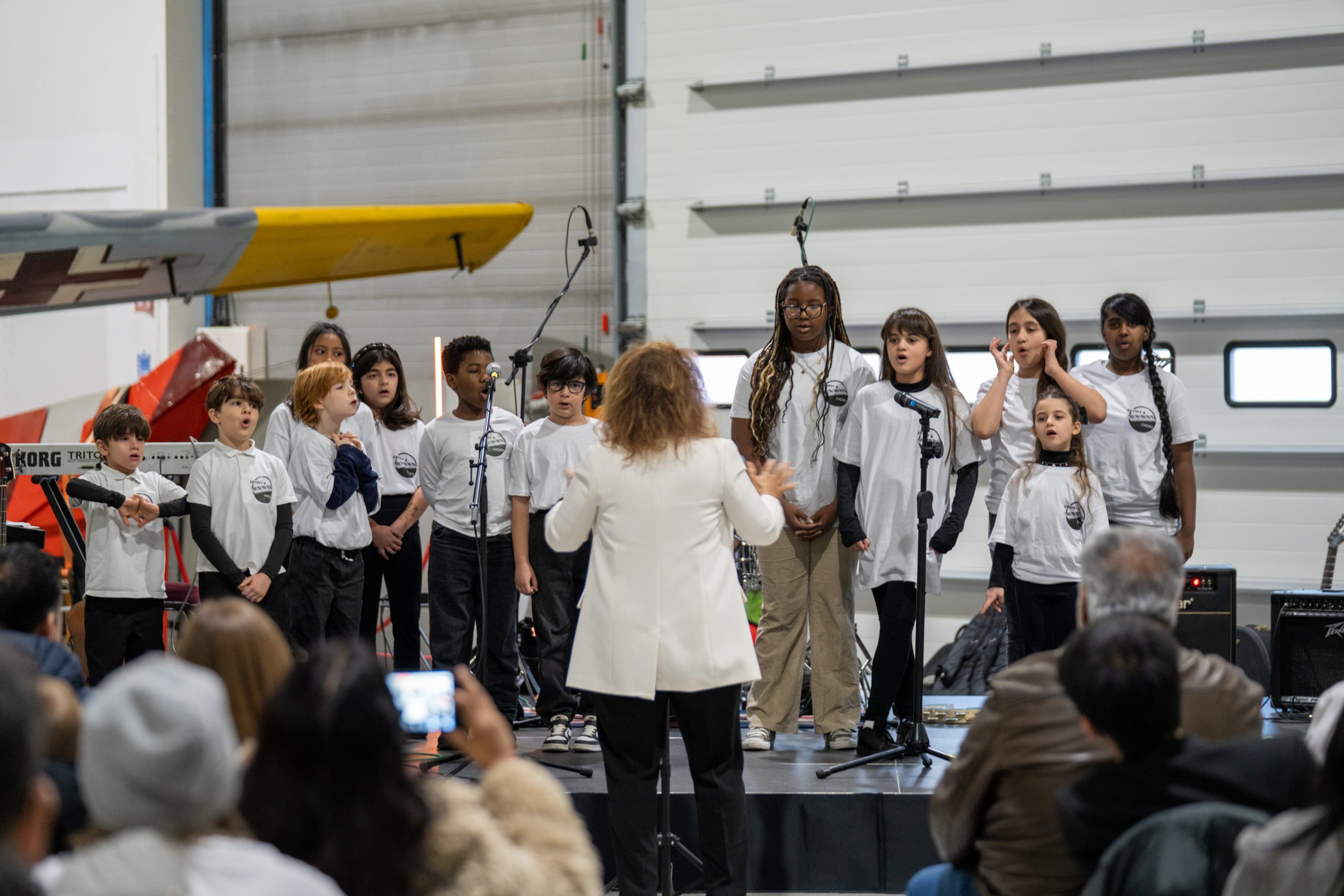
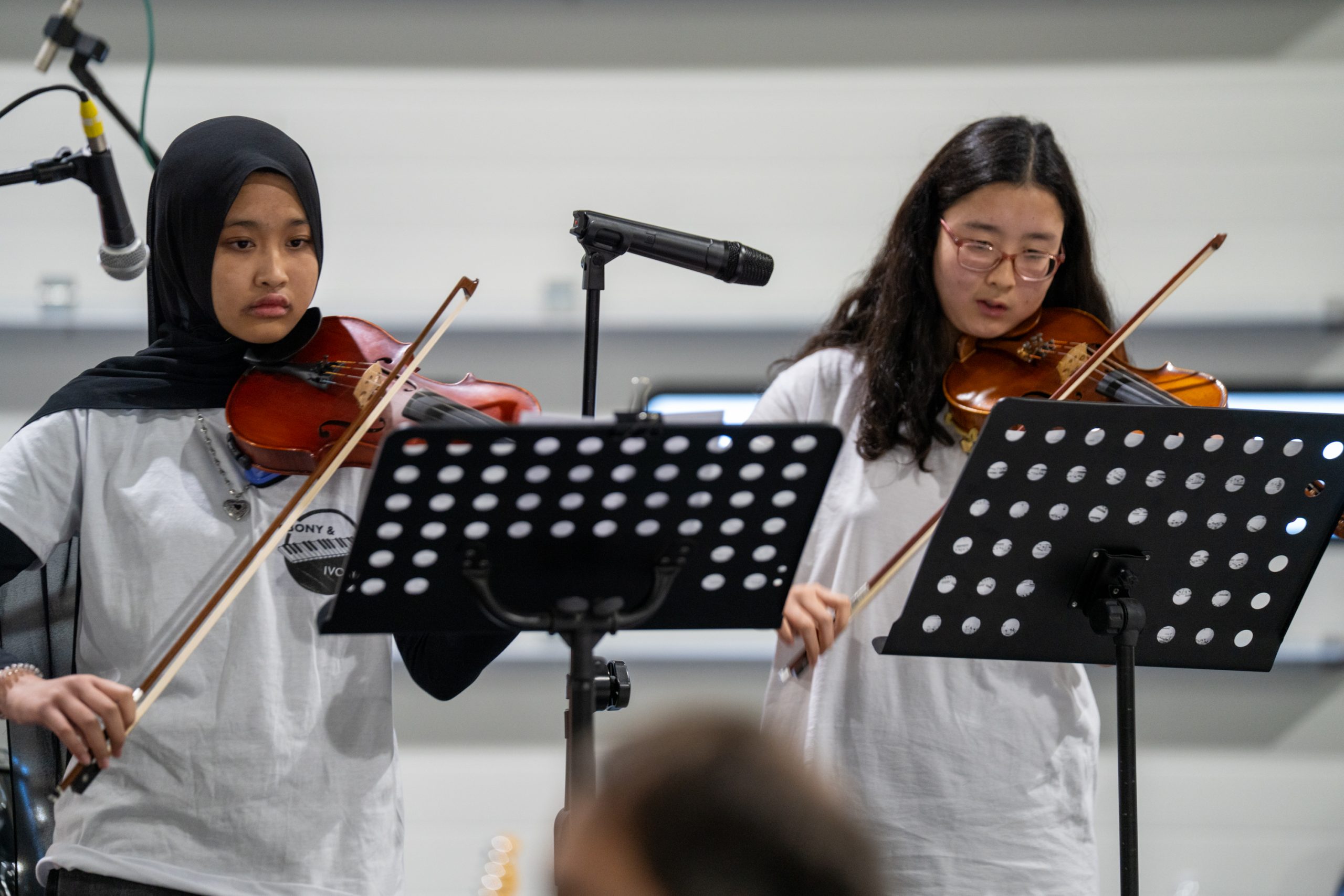
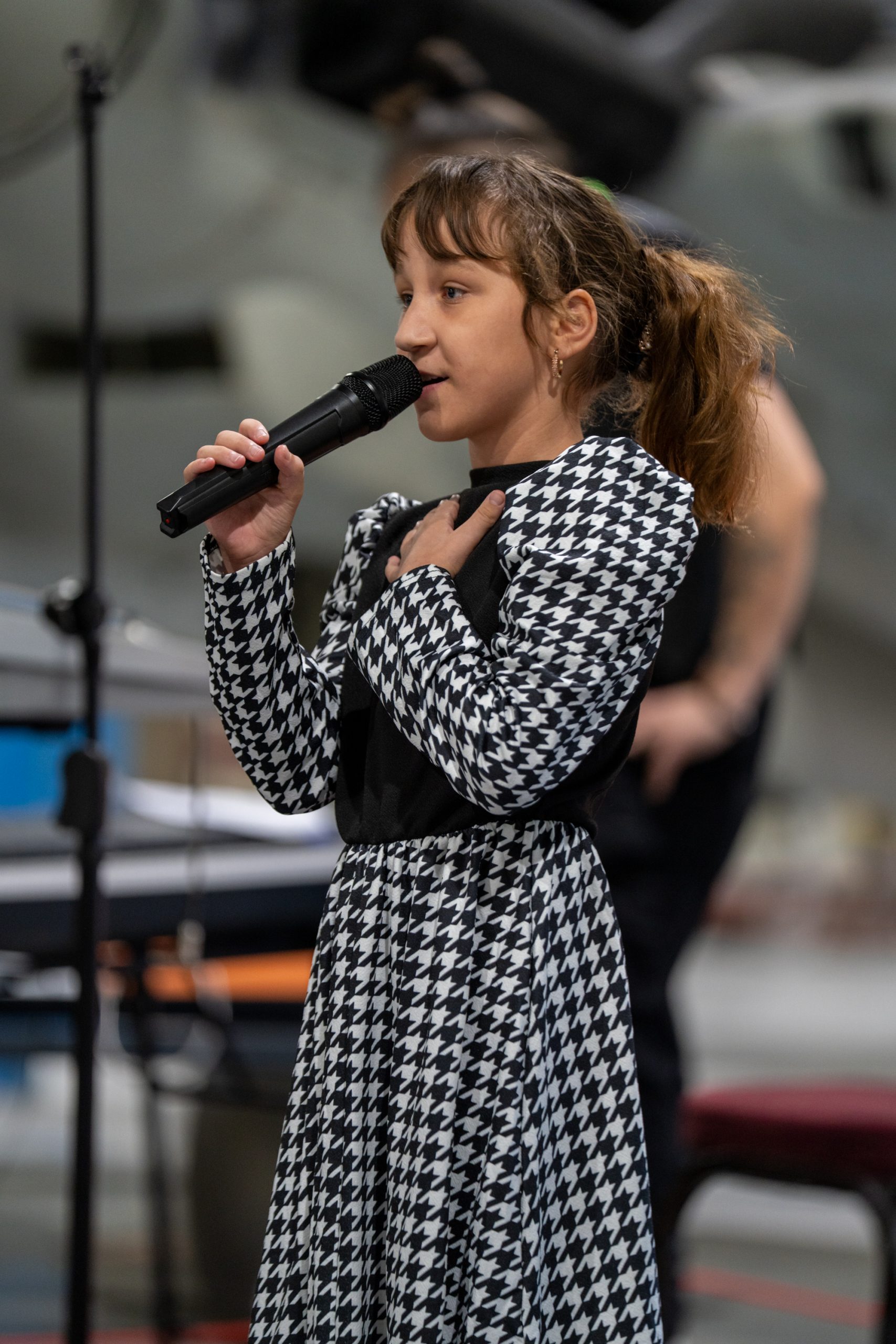
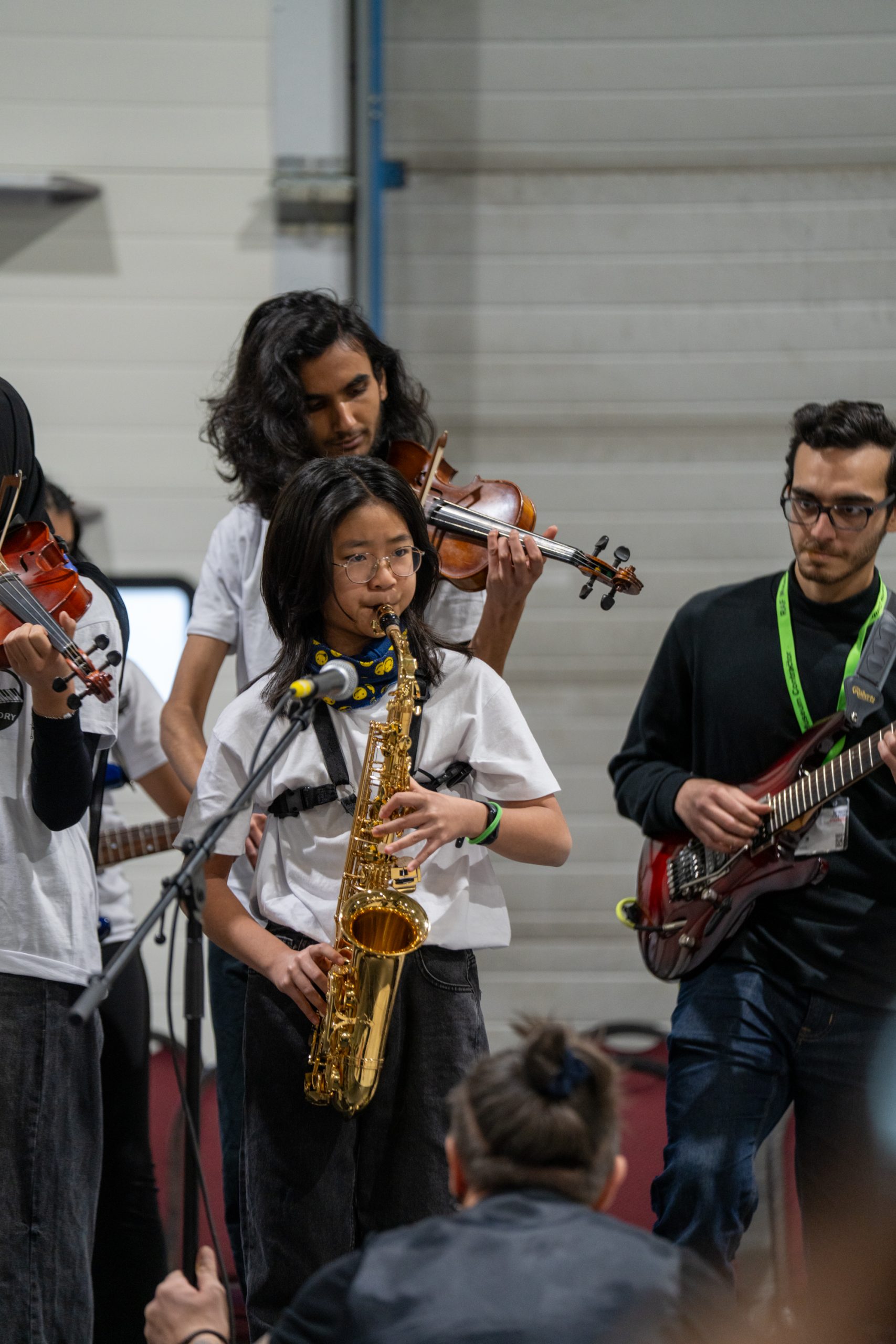
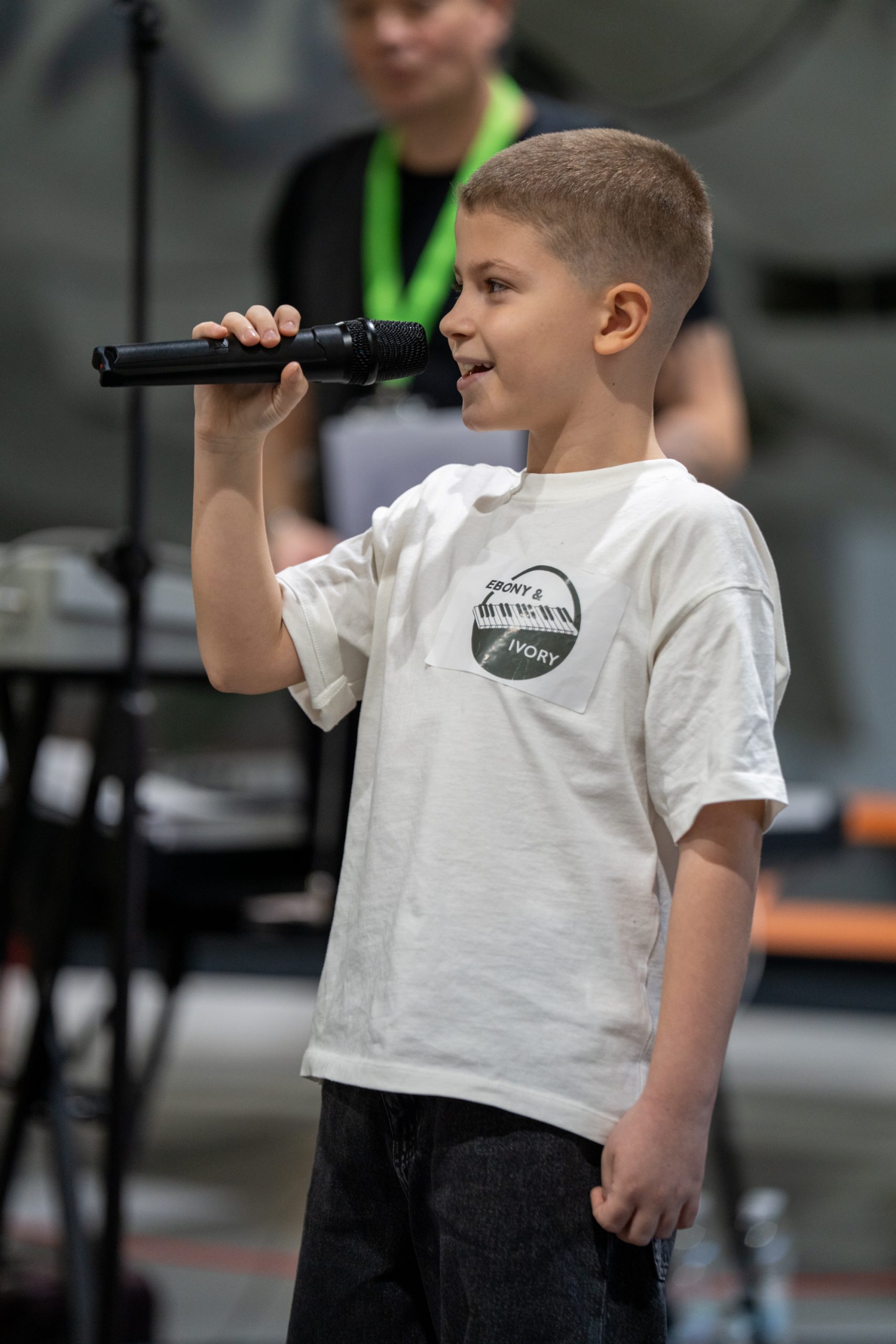
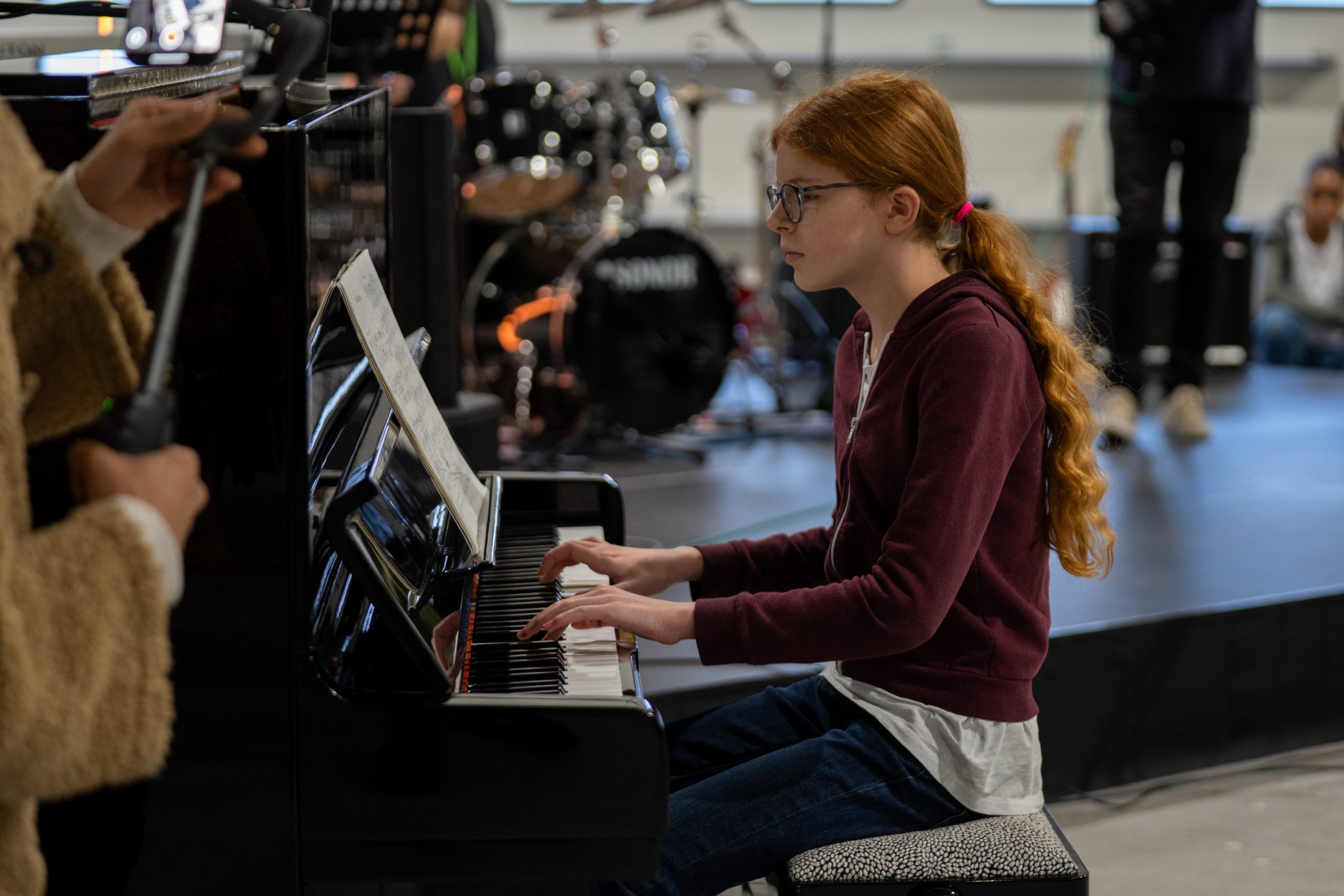
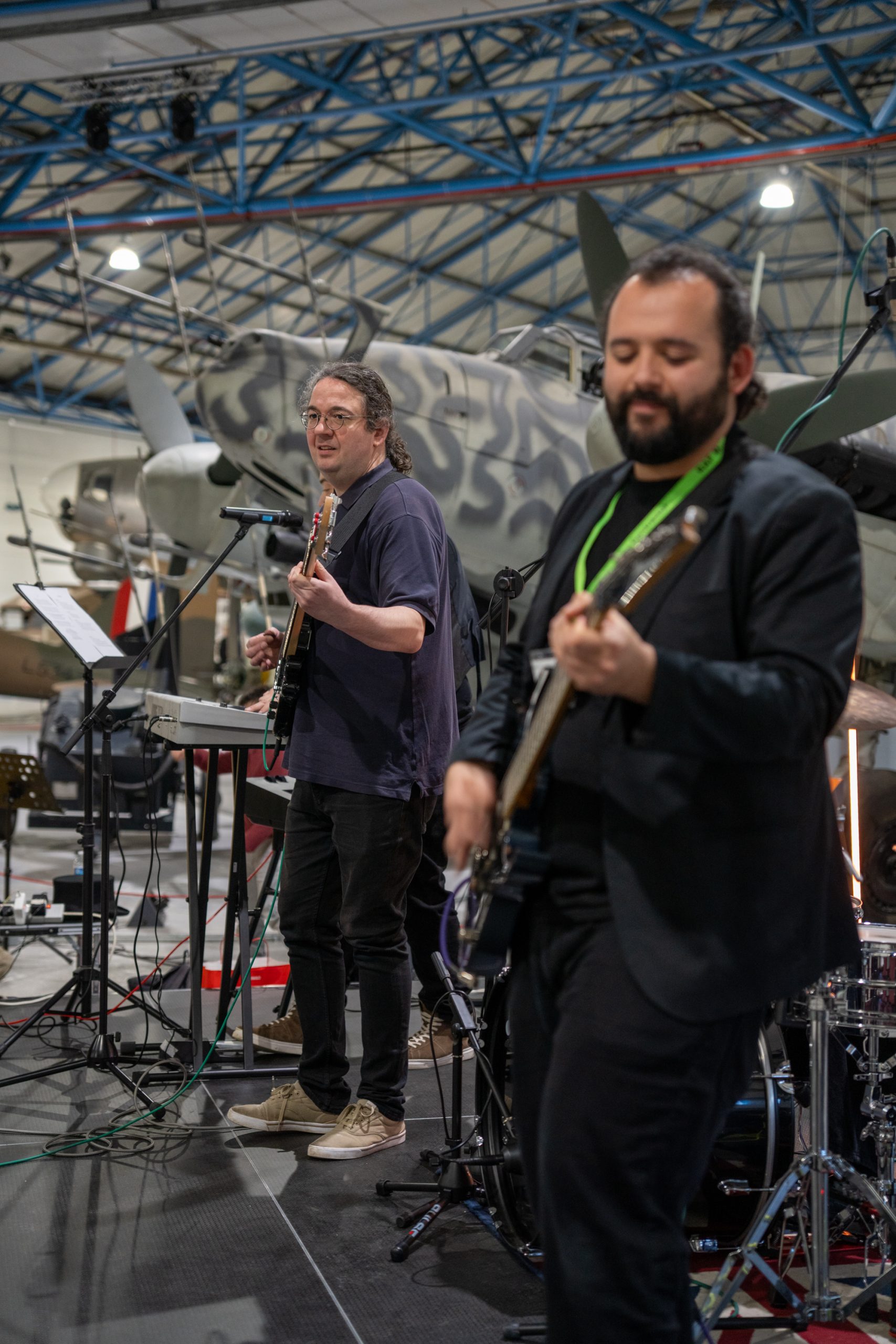
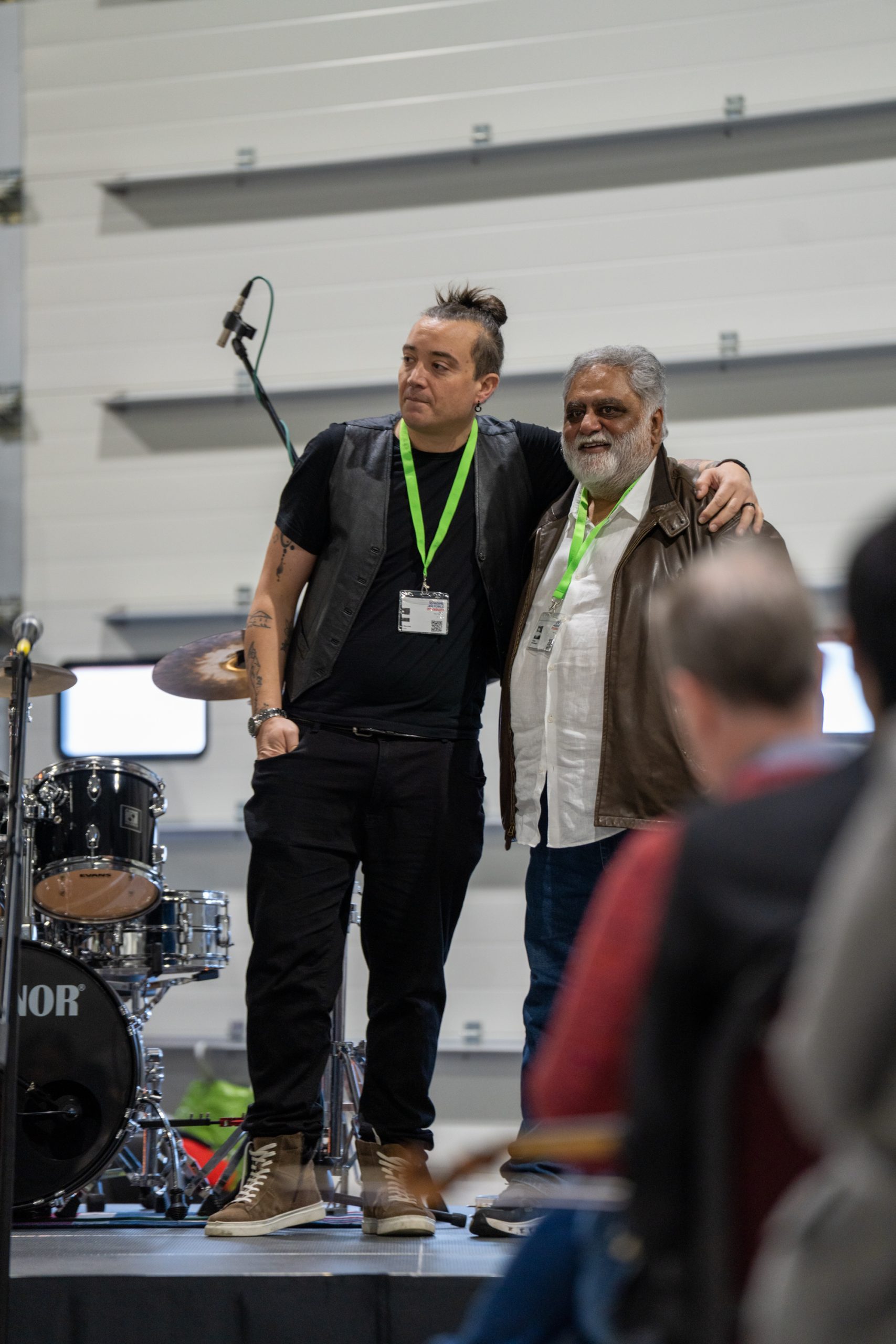
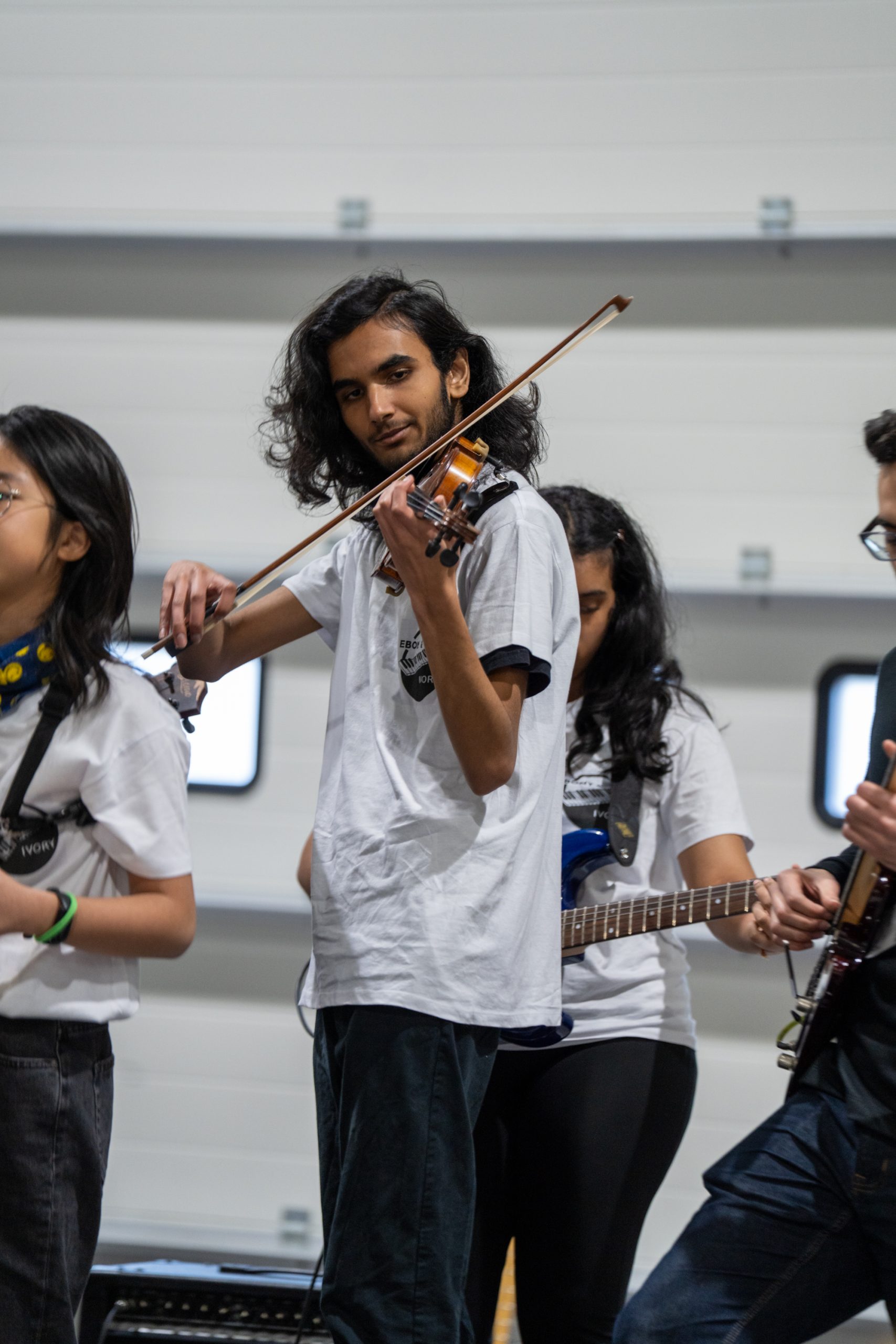
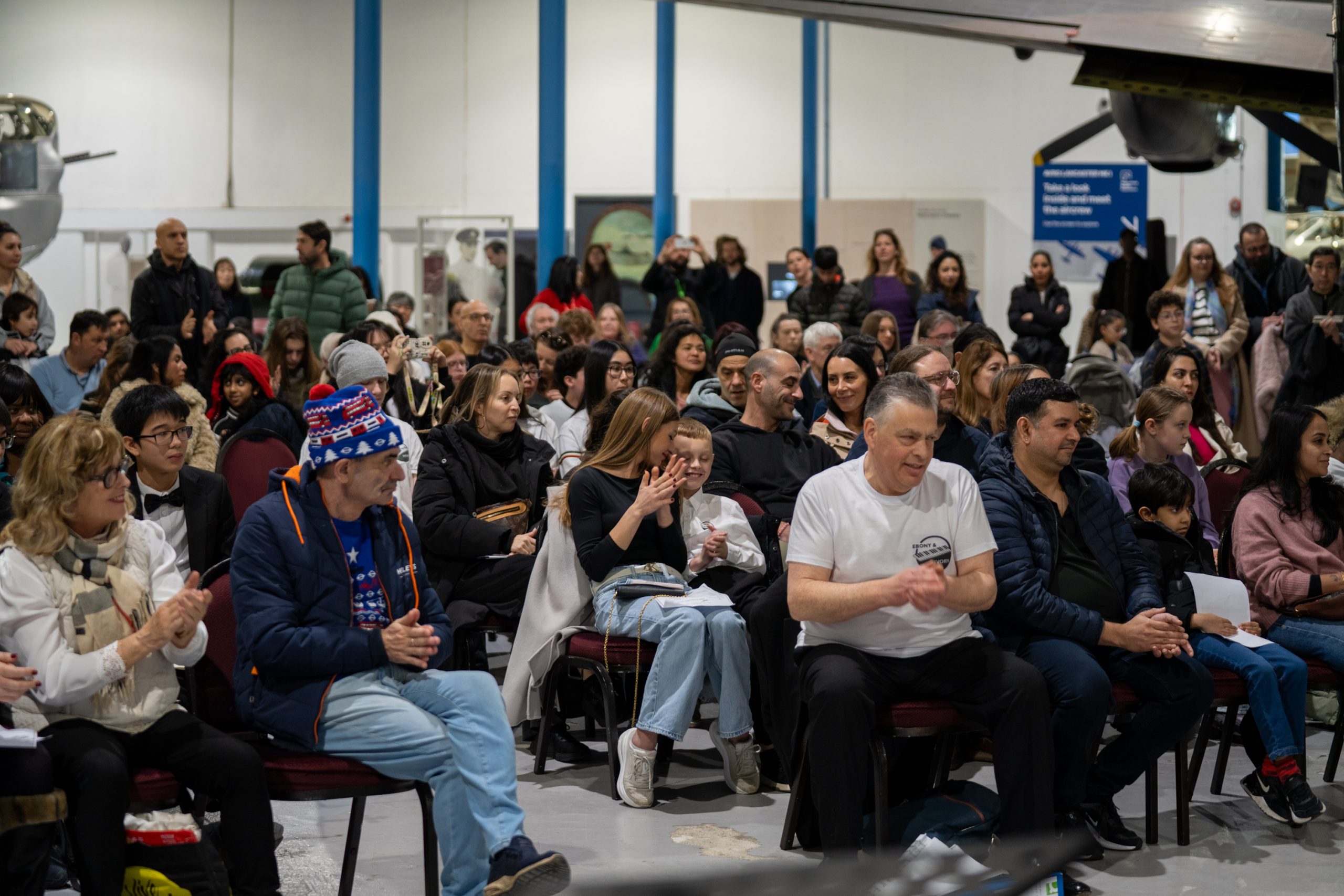
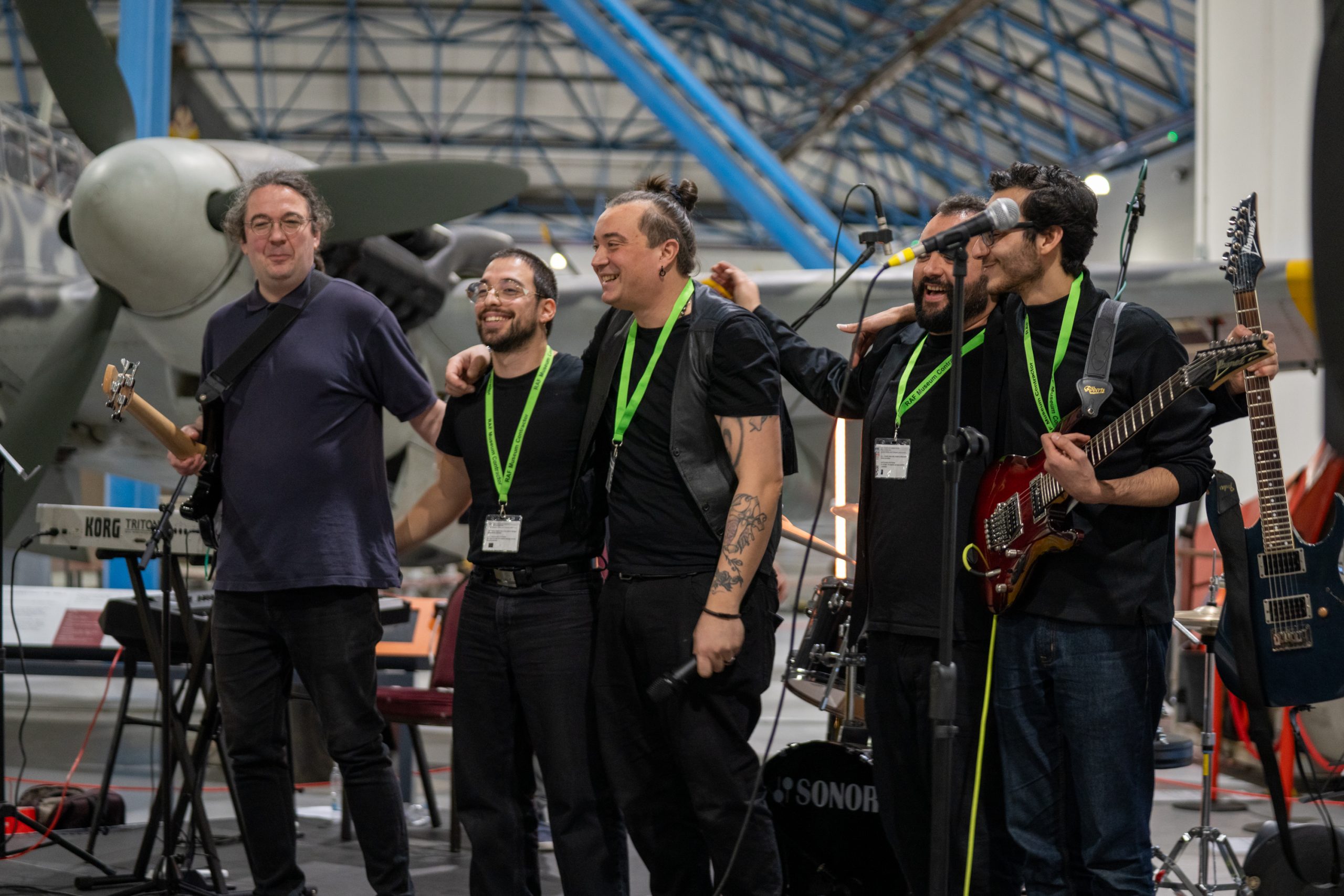
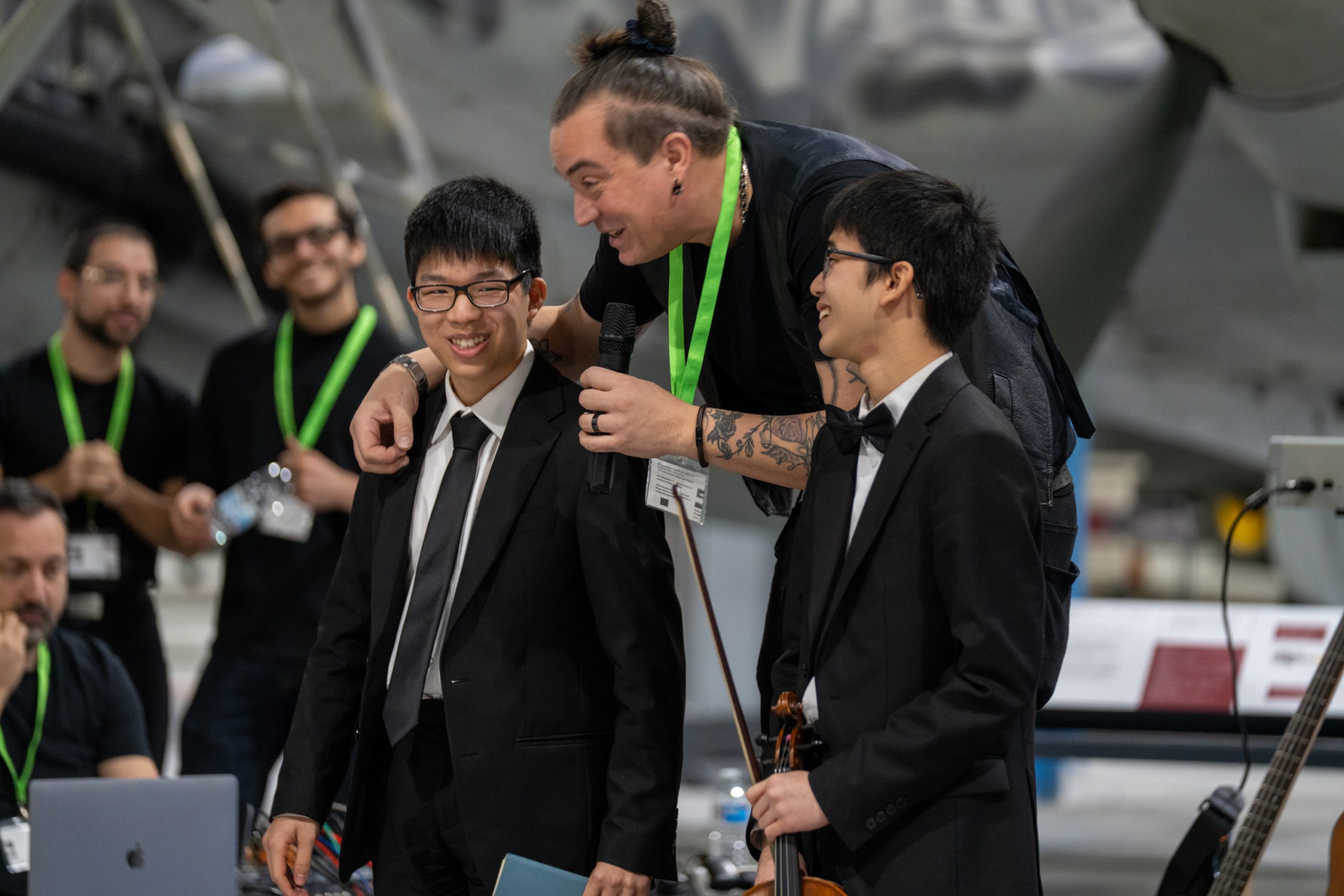
Performing live means playing or singing in front of an audience, and it’s an experience that can really shape a musician or performer. When you step on stage, you connect directly with listeners in a way recordings can’t, creating a unique moment filled with energy and emotion. It helps build confidence, stage presence and communication skills, because you learn to focus under pressure and express yourself clearly. Live performance also strengthens your connection with others and motivates you to practise harder. Overall, performing live is more than entertainment — it’s a powerful growth opportunity for anyone who wants to share their talent with others.
Music helps children develop cognitively, emotionally and socially in powerful ways. Learning or listening to music improves language and memory skills, strengthens concentration, and lays foundations for reading, speech and even maths by reinforcing patterns and rhythm
Music tuition plays an important role in developing both technical skill and personal expression. Through regular lessons, students learn the foundations of rhythm, pitch, and notation, which provide a strong base for musical growth. A good music teacher does more than explain theory; they guide students in how to practice effectively, set achievable goals, and build confidence over time. This structured support helps learners stay motivated, especially during challenging stages.
Beyond technical ability, music tuition encourages creativity and emotional awareness. Students are taught to interpret pieces, understand different musical styles, and express feelings through sound. This process strengthens listening skills and concentration, which often benefits academic learning as well. One-to-one or small group lessons also teach discipline and responsibility, as progress depends on regular practice and commitment.
Music tuition can be valuable at any age. For children, it supports cognitive development and coordination, while adults often find it rewarding as a creative outlet or stress reliever. Whether preparing for exams, performances, or personal enjoyment, music lessons provide guidance that self-teaching often cannot. Overall, music tuition helps individuals develop lifelong skills, appreciation for the arts, and a deeper connection to music itself.
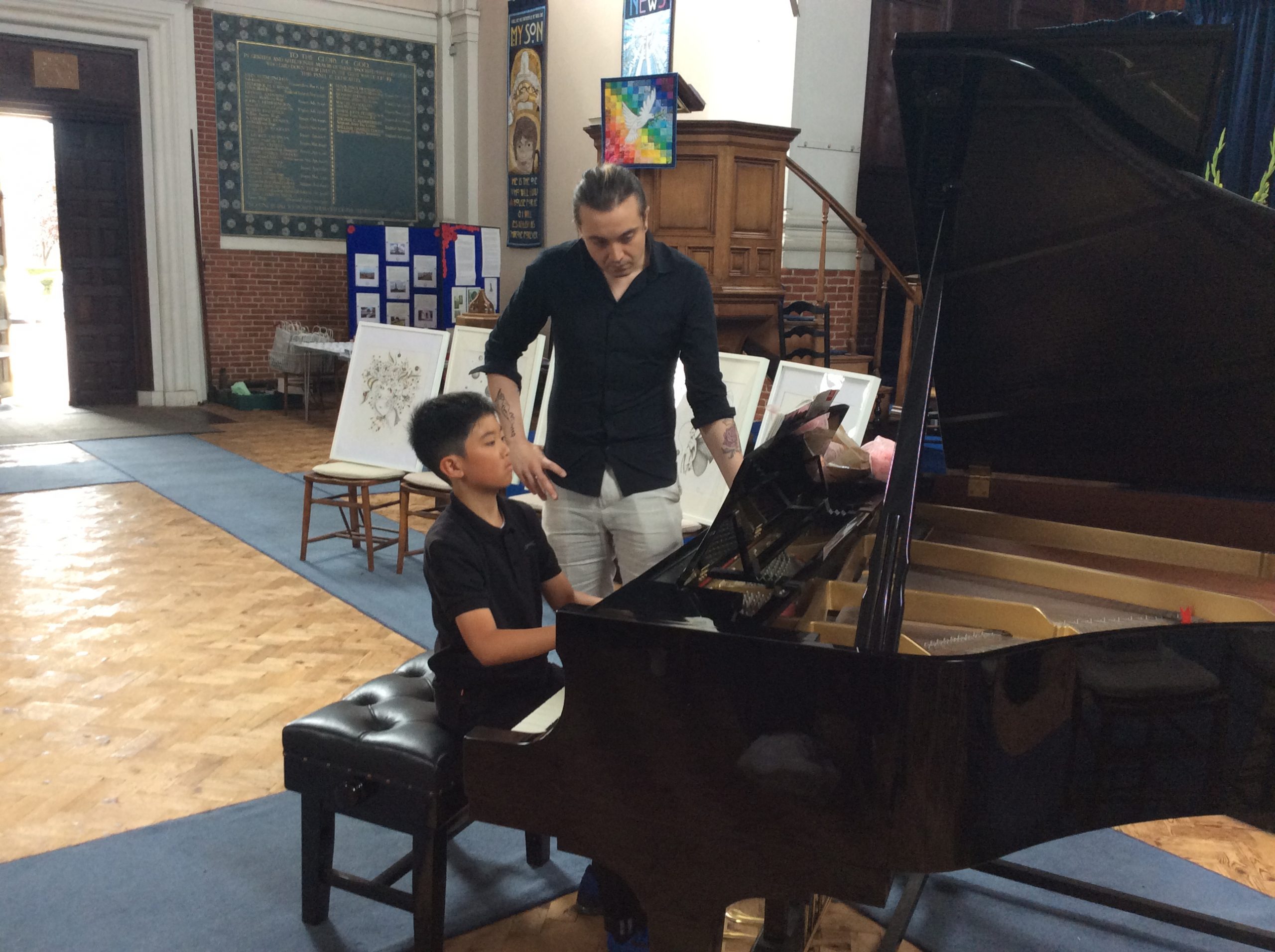
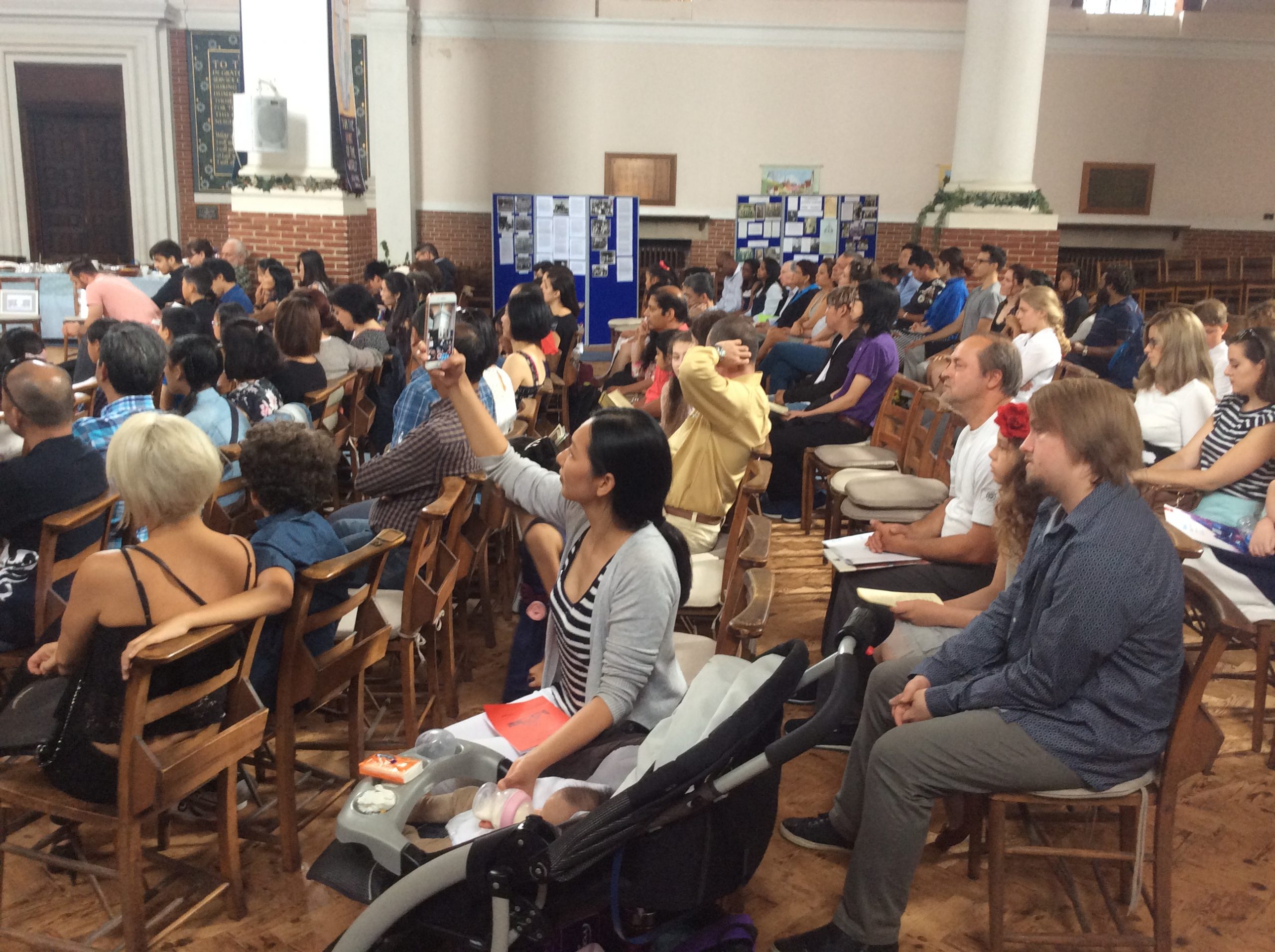
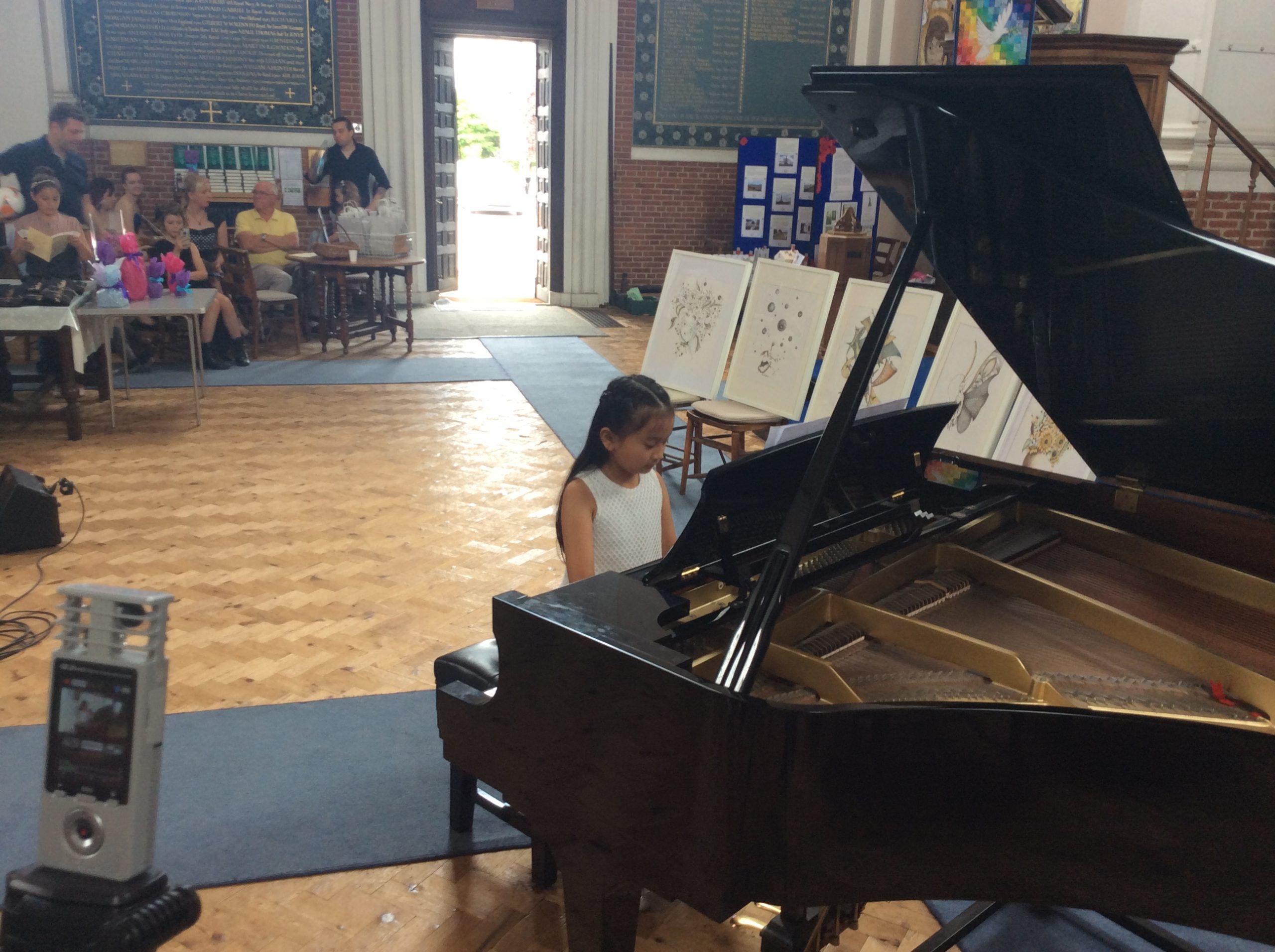
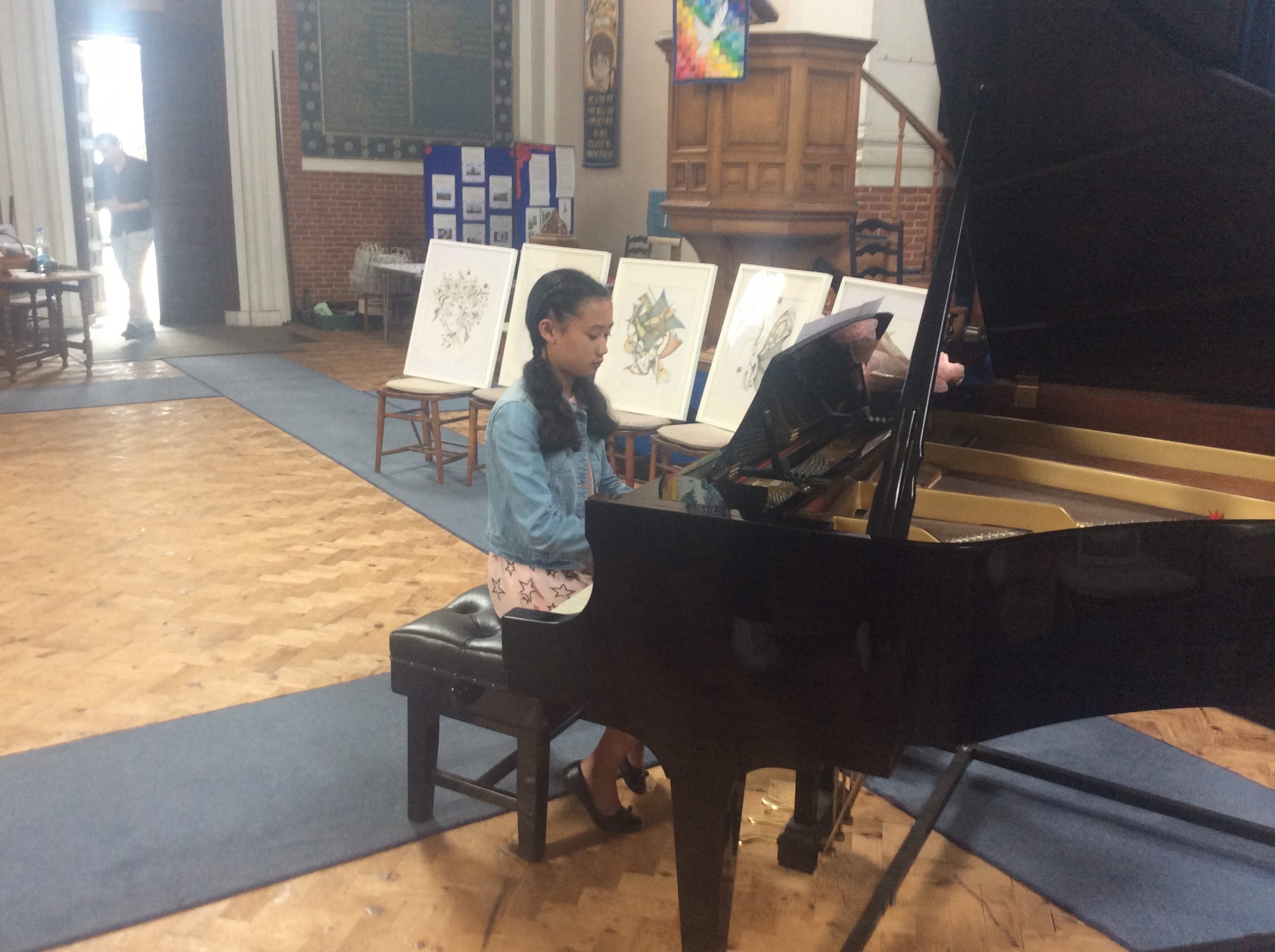
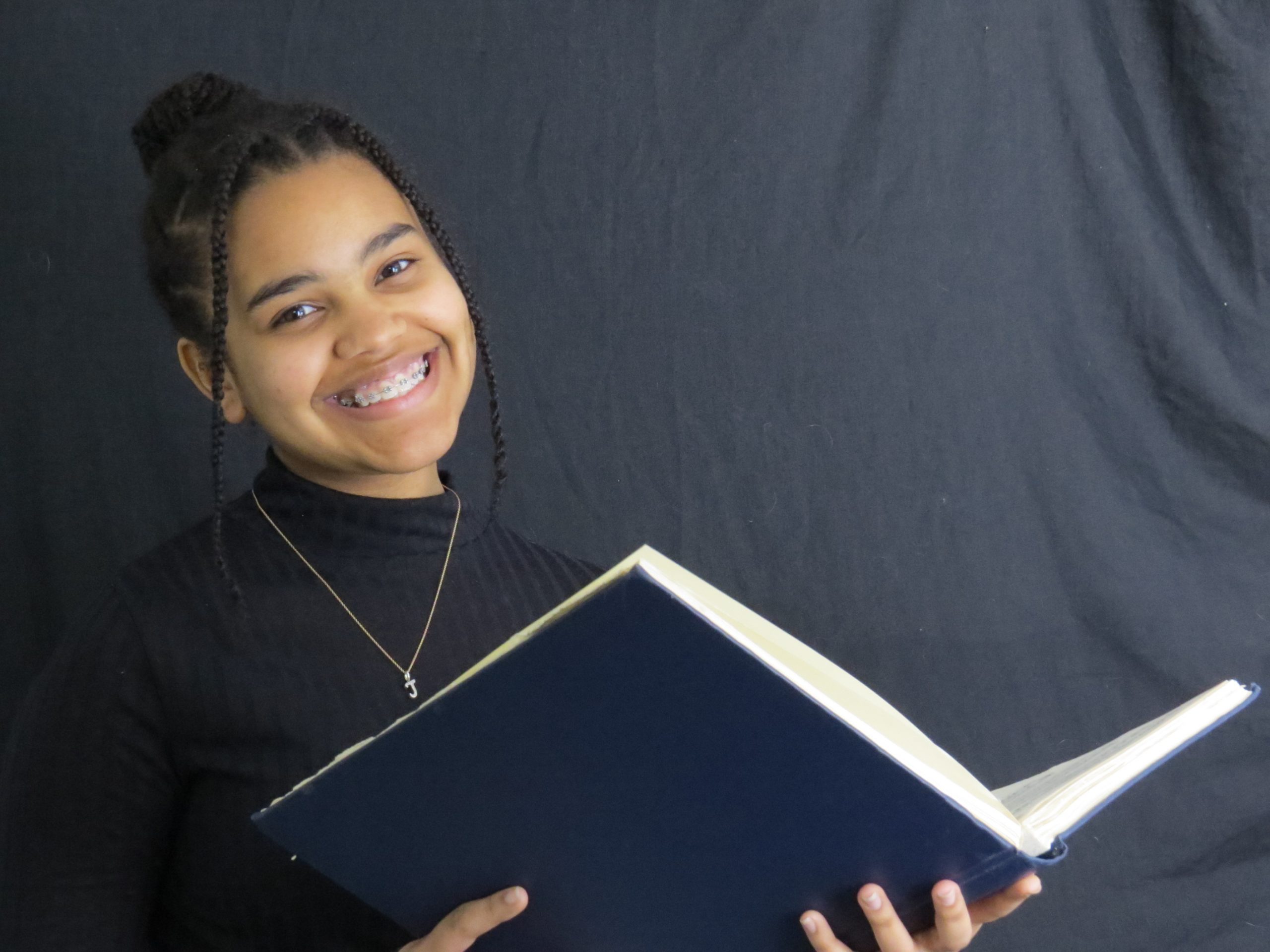
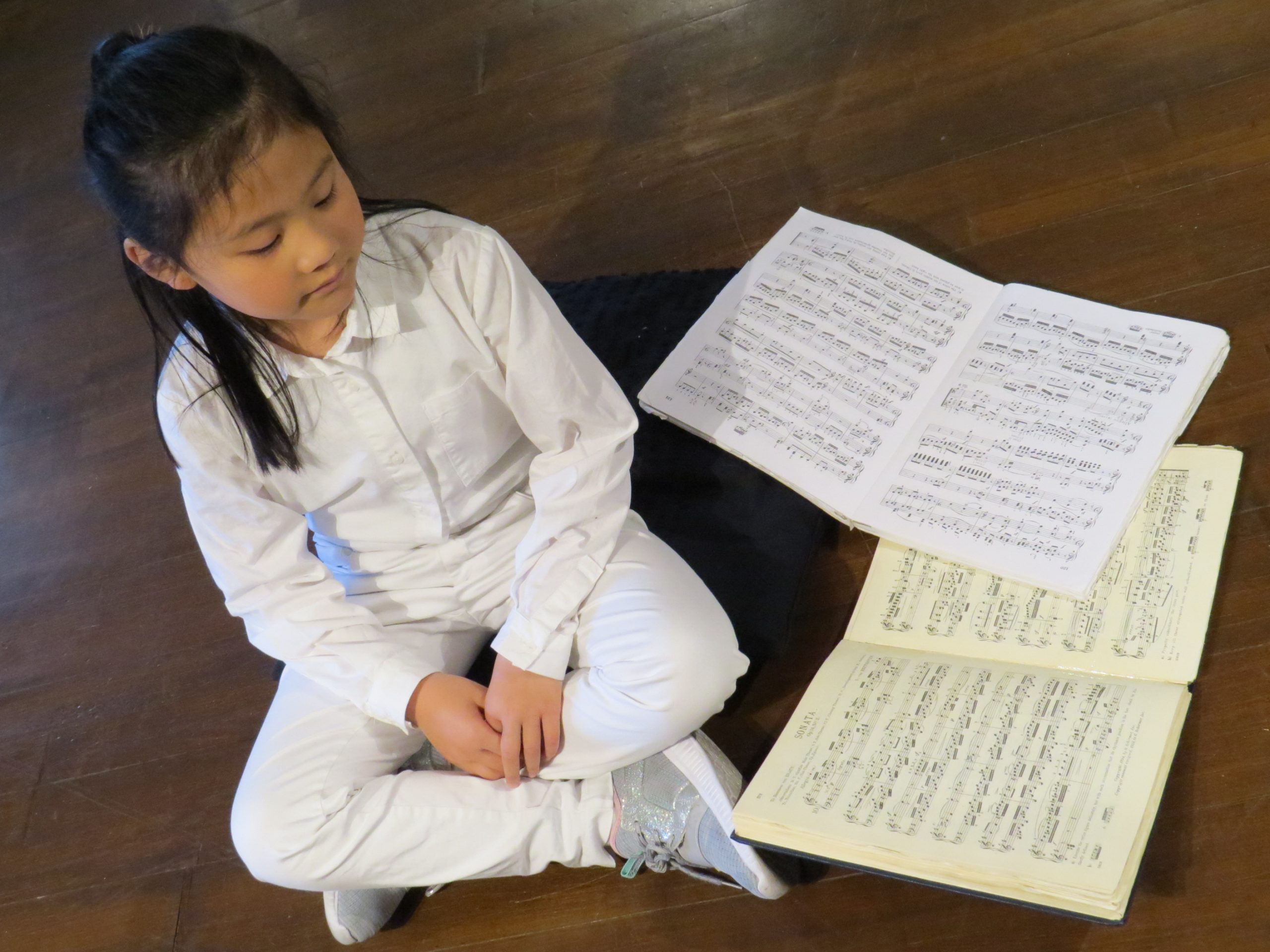
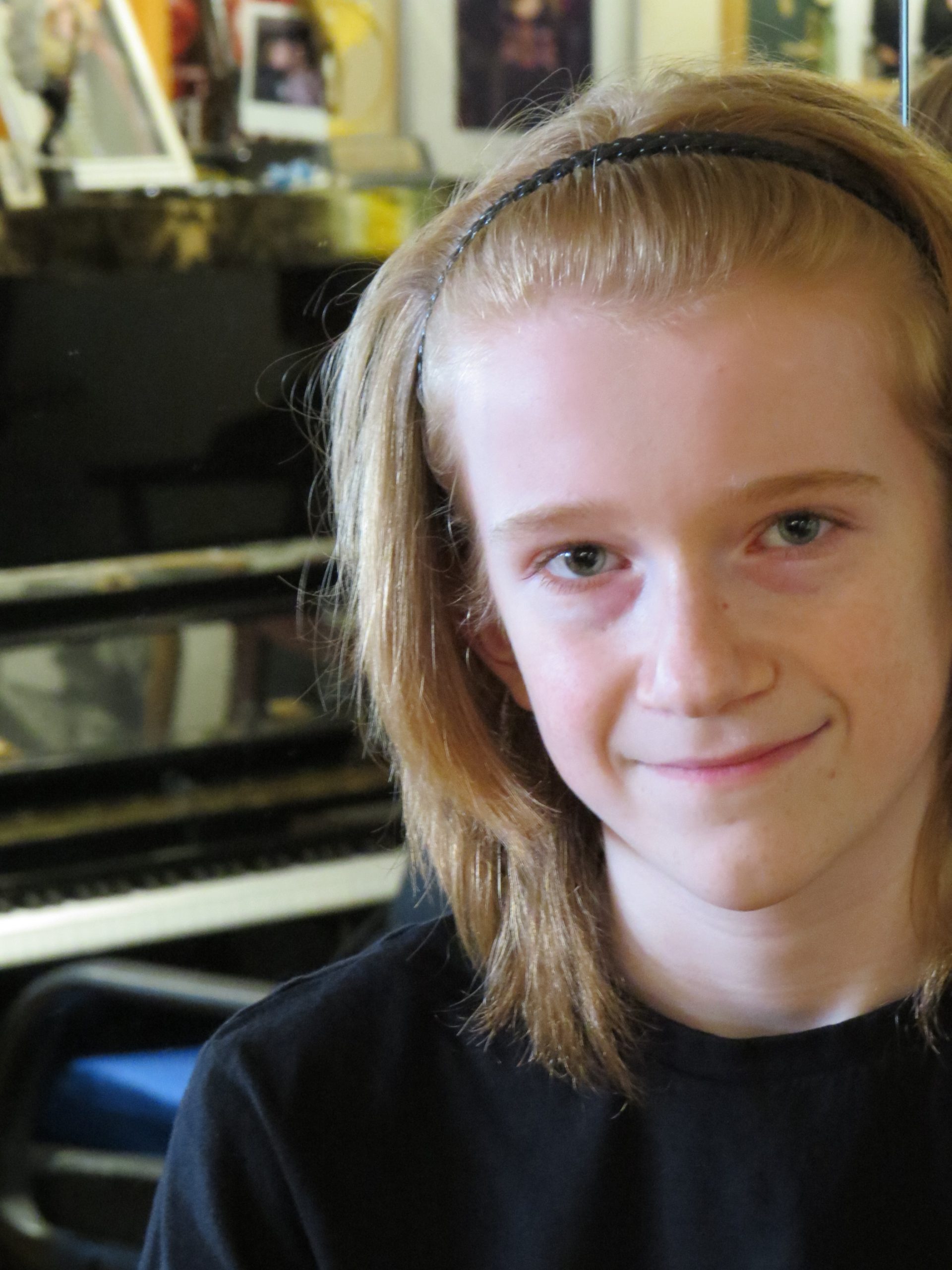
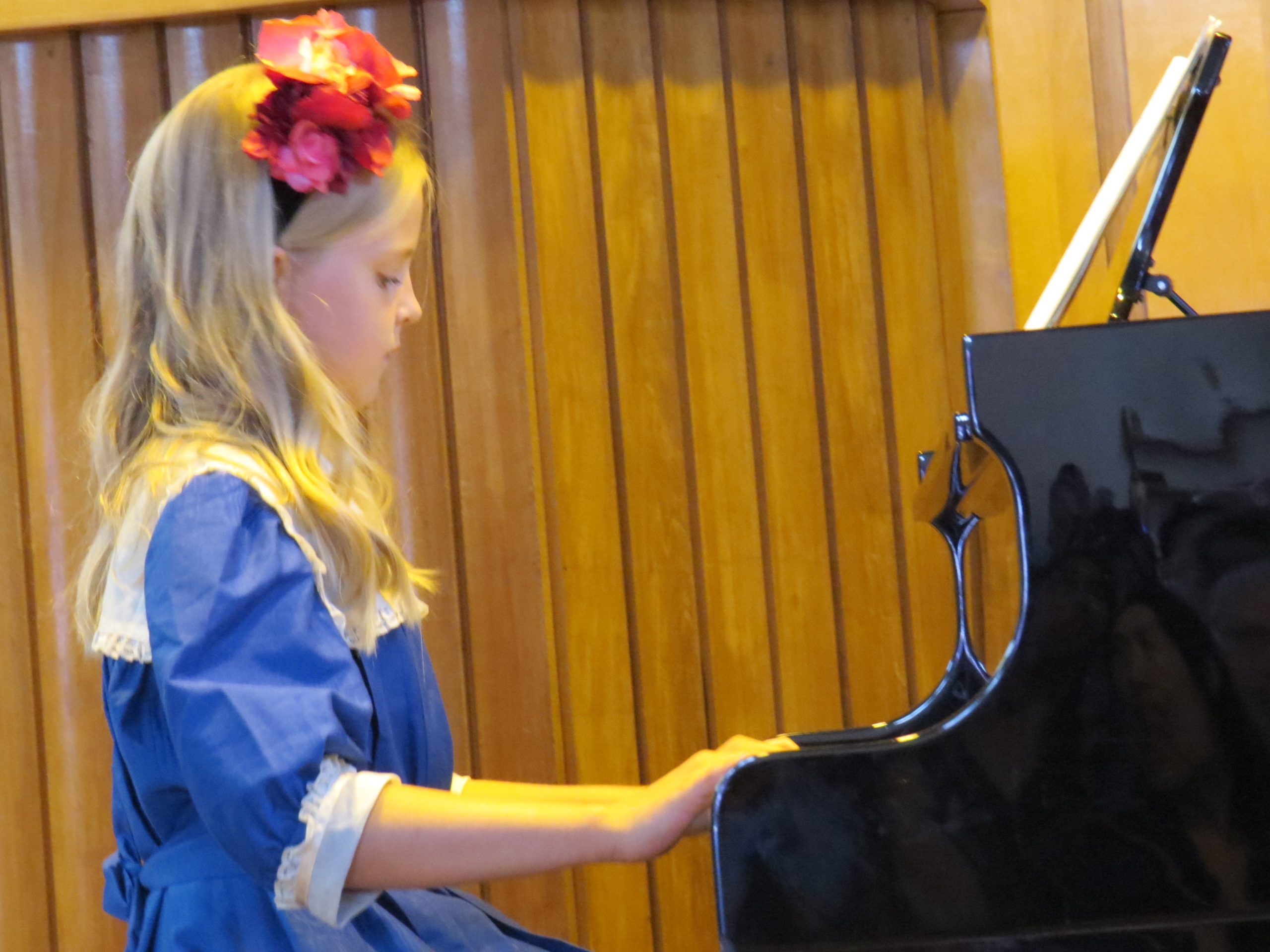
Music and life move in parallel, each shaping the other in ways we don’t always notice. Life gives us raw moments—joy, grief, boredom, hope—and music gives those moments a language. A song can hold what words can’t: the ache of missing someone, the thrill of becoming who you’re meant to be, the quiet courage it takes to keep going on an ordinary day.
Music doesn’t fix life, but it sits with it. It walks beside us on late-night drives, fills the silence of empty rooms, and turns celebrations into memories we can replay forever. A melody can pull us back in time, reminding us who we were when we first heard it, while also helping us imagine who we might become. In that way, music becomes a personal archive of our growth.
Life, in return, gives music its meaning. Without lived experience, songs would be just sound. It’s our stories that make them powerful. We hear ourselves in the lyrics, our mistakes in the chords, our resilience in the rhythm. Together, music and life create a cycle: we live, we listen, we feel, and then we live a little differently. That quiet exchange is what makes both unforgettable.

Learning music has a powerful impact on a child’s brain development. When a child learns to play an instrument or understand music, multiple areas of the brain are activated at the same time. Reading musical notes, listening to sounds, and coordinating hand movements all work together, strengthening connections between the left and right hemispheres of the brain. This increased brain connectivity supports overall cognitive growth.
Music learning also improves memory and attention. Children must remember rhythms, melodies, and instructions, which trains both short-term and long-term memory. Regular practice encourages focus and patience, skills that are essential for learning in school. Studies have shown that children who study music often develop stronger language abilities, as music and language share similar brain pathways related to rhythm, tone, and pattern recognition.
Emotionally, music helps children understand and express feelings. Playing or listening to music can reduce stress and improve mood, while performing builds confidence and self-esteem. Music lessons also teach discipline and perseverance, as progress comes from consistent effort over time. These habits can positively influence a child’s attitude toward challenges in other areas of life.
Social development is another important benefit. Group music activities such as bands or choirs teach cooperation, listening, and teamwork. Children learn to follow cues, take turns, and work toward a shared goal. This strengthens communication skills and empathy.
Overall, learning music shapes the developing brain in a balanced and meaningful way. It supports intellectual, emotional, and social growth, helping children build skills that extend far beyond music itself.
We offer a wide range of music exams in our school to support students at every stage of their learning journey. Our exam programmes are designed to build confidence, technical skill, and musical understanding. Students receive structured guidance, regular assessments, and focused preparation to help them perform at their best. Exams are available for different instruments and levels, allowing learners to progress at their own pace. With experienced teachers and a supportive environment, we ensure each student is well prepared and motivated to achieve excellent results.

Music exams provide clear goals and motivation for students to progress in their learning. They help learners develop discipline, confidence, and strong practice habits. Preparing for exams improves technical skills, musical understanding, and performance ability. Exams also offer recognised qualifications that can be useful for academic records and future opportunities. Through regular assessment, students receive structured feedback that highlights strengths and areas for improvement. Overall, music exams encourage steady progress, build self-esteem, and give students a sense of achievement while supporting long-term musical development.
Singing feels like the place where life exhales. Long before we learn how to explain ourselves, we hum, we cry out, we shape breath into sound. In that way, singing mirrors living: both are imperfect, fragile, and powered by persistence. You miss notes, lose rhythm, forget lyrics—just like you stumble, doubt, and start over in life. Still, the song continues.
When you sing, you carry your history in your voice. Joy brightens it, grief roughens it, hope steadies it. Life does the same, shaping who you are through moments you didn’t rehearse. Singing teaches presence; you can’t live in the past or future when a note needs you now. Life asks for the same attention.
In a world that often rushes us, singing reminds us to listen—to ourselves and to others. It turns breath into meaning and silence into possibility, proving that simply being heard can be enough.

Learning an art is learning how to see the world differently. It teaches patience, because skill grows slowly, and humility, because mastery is never final. An art asks for attention—to detail, to feeling, to failure—and rewards honesty more than perfection. As you practice, mistakes stop being enemies and become teachers. You begin to understand that creativity is not a gift you wait for, but a habit you build. Through art, you discover your voice, even while borrowing from others. It shapes discipline and freedom at the same time, reminding you that expression is not about being flawless, but about being fully present.

Playing live concerts is an exchange of energy that cannot be rehearsed. The stage hums with nerves, excitement, and possibility as the first note leaves your hands. In that moment, music stops being private and becomes shared. Every glance, cheer, and silence from the audience shapes how the song breathes and moves. Mistakes happen, but they feel human, even electric, reminding you that live music is alive, not polished. Time bends during a performance; minutes stretch or vanish entirely. When the final note fades, what lingers is connection—the feeling that, for one night, strangers listened and felt something together.
Our music school is dedicated to providing excellent service and high-quality examinations that nurture and strengthen each student’s passion for music. We believe learning music should be inspiring, supportive, and structured, which is why our programs balance creativity with clear goals. Experienced teachers guide students with patience and care, helping them build strong technical foundations while encouraging personal expression. Our examinations are thoughtfully designed to motivate progress, boost confidence, and recognize genuine growth rather than pressure perfection. Beyond exams, we offer a welcoming environment where students feel heard, challenged, and celebrated. Individual learning paths ensure that every student develops at their own pace, turning curiosity into commitment. Through consistent guidance, constructive feedback, and professional assessment, we help students transform passion into skill. At our school, music is not just taught—it is cultivated, empowering students to grow as musicians and as confident, expressive individuals.